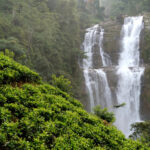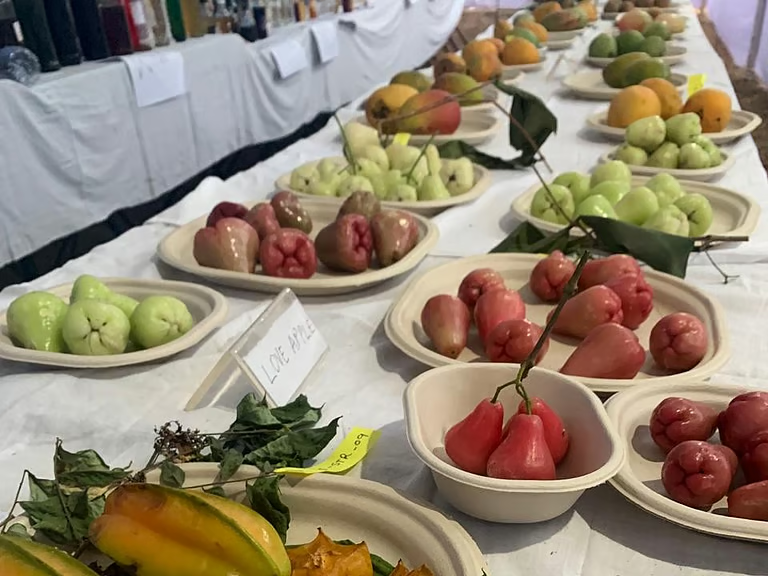
Konkan is one of India’s most fertile and biodiverse fruit-growing regions. The unique combination of laterite soil, monsoon rainfall, coastal humidity, and traditional farming practices creates the perfect environment for cultivating organic Konkan fruits rich in flavour and nutrition. Unlike industrial farming systems, fruit cultivation in this region is often part of mixed cropping ecosystems, where mango, kokum, jackfruit, and other trees grow alongside coconut and spices. This biodiversity improves soil health, reduces pests naturally, and yields clean, seasonal, nutrient-dense fruit. Let’s explore seven of the most important fruits that define the identity of Konkan.
Hapus Mango
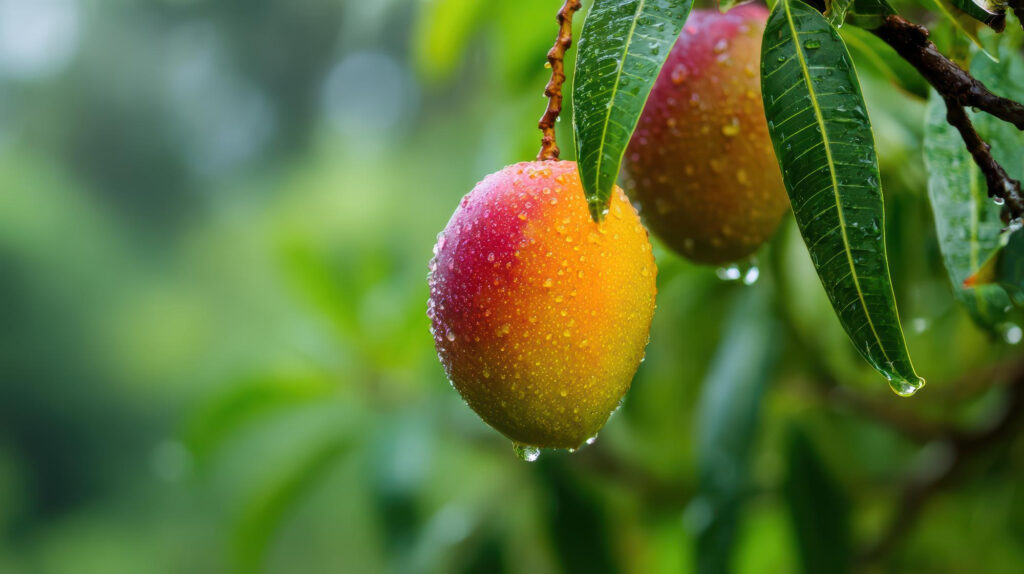
The Alphonso mango is the most celebrated fruit of Kokan, especially in Ratnagiri and Devgad.
Ecological Significance: Alphonso mango trees thrive in well-drained laterite soil and coastal humidity, which enhances the fruit’s aroma and smooth texture. The seasonal cycle of dry winters and heavy monsoon rains supports natural flowering and fruit development.
Nutritional Value: Alphonso mangoes are rich in:
- Beta-carotene (for vision and skin)
- Vitamin C (for immunity)
- Polyphenols (for cell protection)
Growing at Home
- Best suited for large terraces, farmhouses, or open yards
- Use a large container (a 200 L drum) for dwarf-grafted varieties.
- Needs full sunlight and seasonal pruning
Cashew Apple
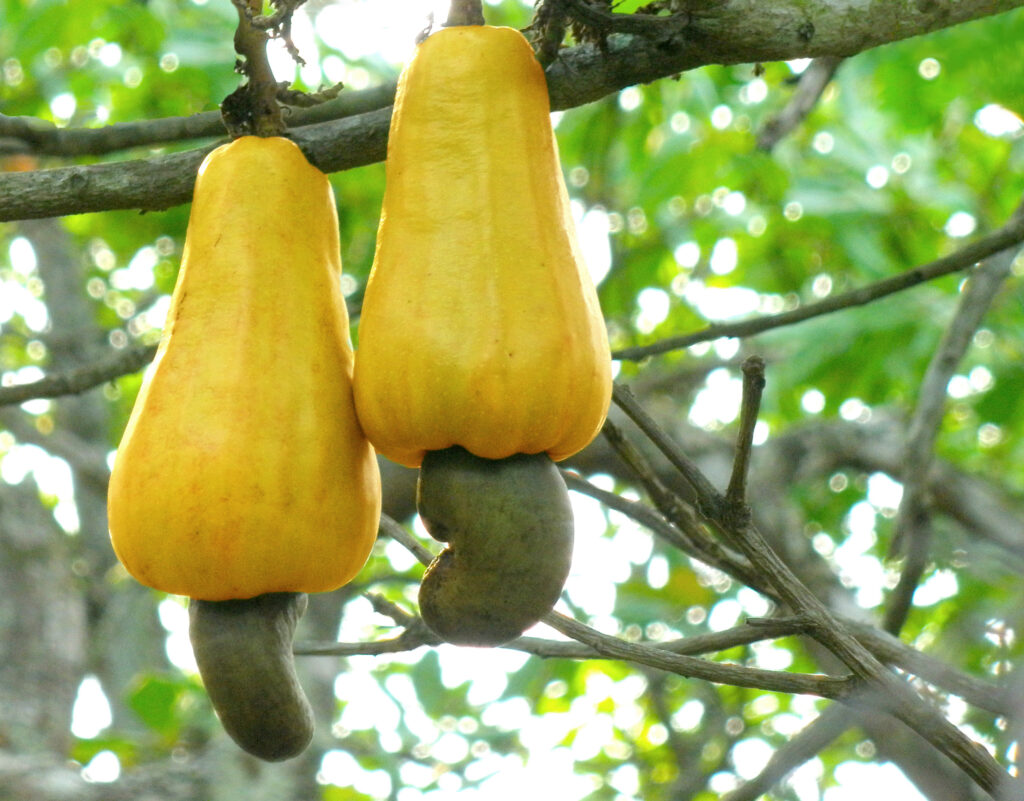
The Cashew apple grows widely across Kokan’s coastal slopes and laterite plateaus.
Ecological Significance: Cashew trees help prevent soil erosion on sloping land and require minimal irrigation, making them ideal for sustainable farming.
Nutritional Value: Cashew apples are extremely rich in:
- Vitamin C (very high concentration)
- Antioxidants
- Natural sugars for quick energy
Growing at Home
- Can be grown from grafted plants in medium-sized gardens
- Needs a warm climate and well-drained soil
- Begins fruiting in 3–4 years
Kokum
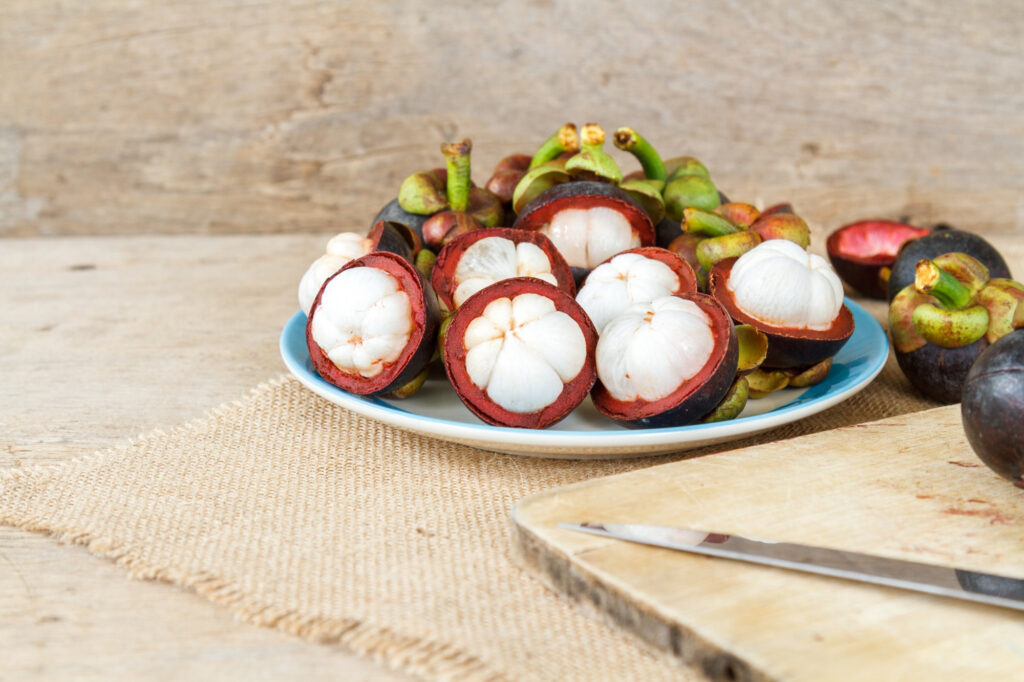
The Kokum is native to the Western Ghats and is deeply linked to Kokan’s food culture.
Ecological Significance: Kokum trees grow in semi-wild forest environments and require very little human intervention, making them a key part of biodiversity-based farming.
Nutritional Value: Kokum contains:
- Hydroxycitric acid (supports metabolism)
- Antioxidants for heart health
- Cooling compounds that reduce body heat
Growing at Home
- Suitable for backyards or farm plots
- Prefers humid conditions and partial shade in early growth
- Low maintenance once established
Jackfruit
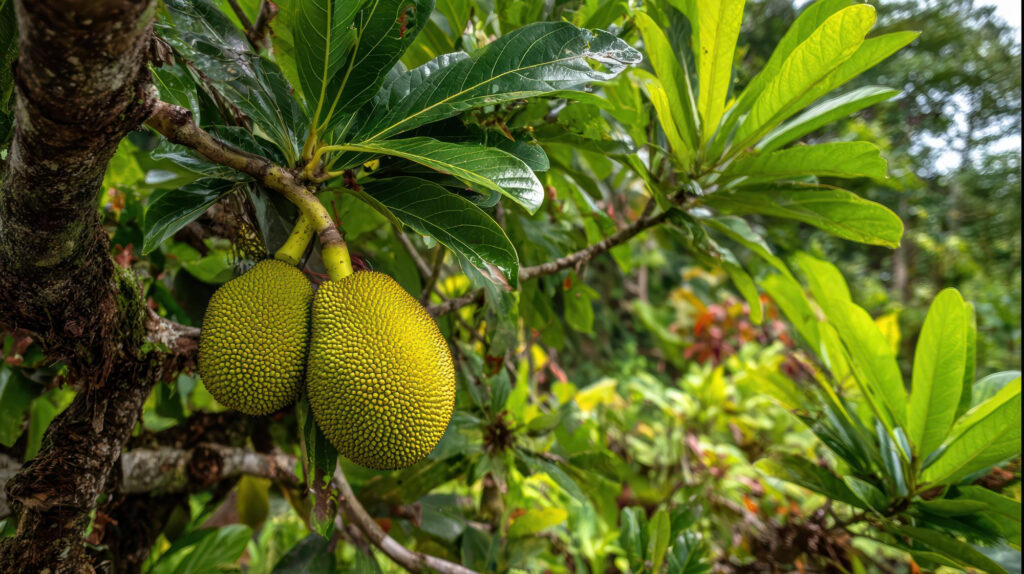
The Jackfruit is a staple fruit tree in Kokan homes.
Ecological Significance: Jackfruit trees are climate-resilient, tolerate heavy rains, and help stabilise soil with their deep root systems.
Nutritional value: Jackfruit is rich in:
- Dietary fibre (gut health)
- Potassium (heart health)
- Vitamin B6 (metabolism)
Growing at Home
- Needs moderate to large garden space
- Grows from seeds or grafted saplings
- Requires pruning to control size
Karvanda
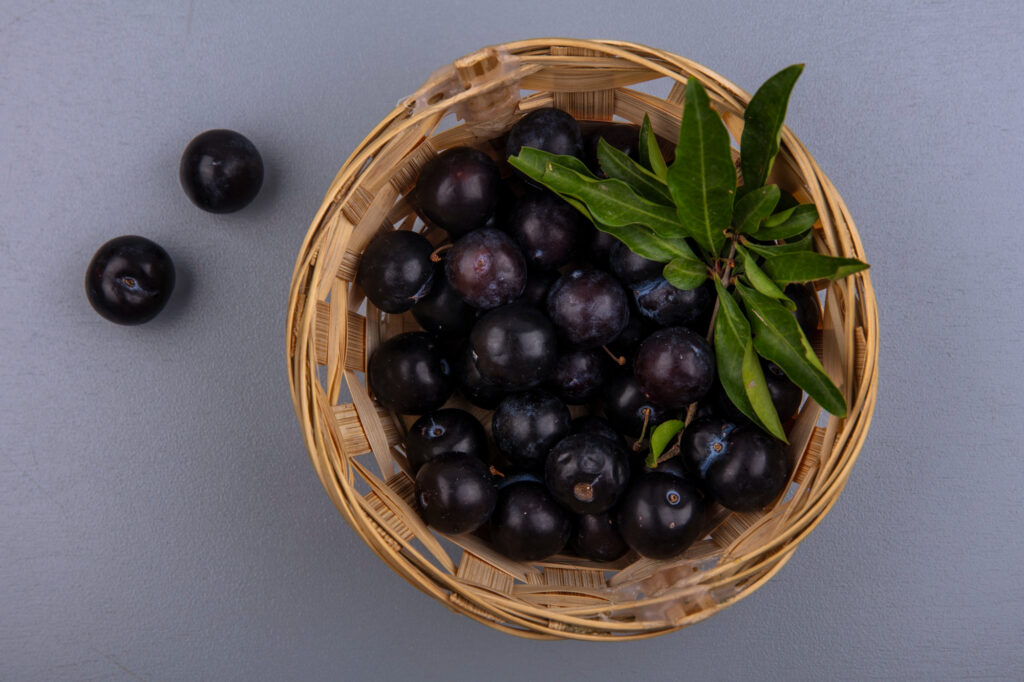
The wild Karvanda shrub grows naturally across Kokan’s hills and plateaus.
Ecological significance
Karvanda is a hardy, drought-resistant plant that grows in poor soil and supports birds and pollinators.
Nutritional Value: Karvanda is known for:
- High iron content
- Vitamin C for immunity
- Digestive benefits
Growing at Home
- Ideal as a natural fence or boundary hedge
- Requires very little watering
- Grows well in small home gardens
Peru
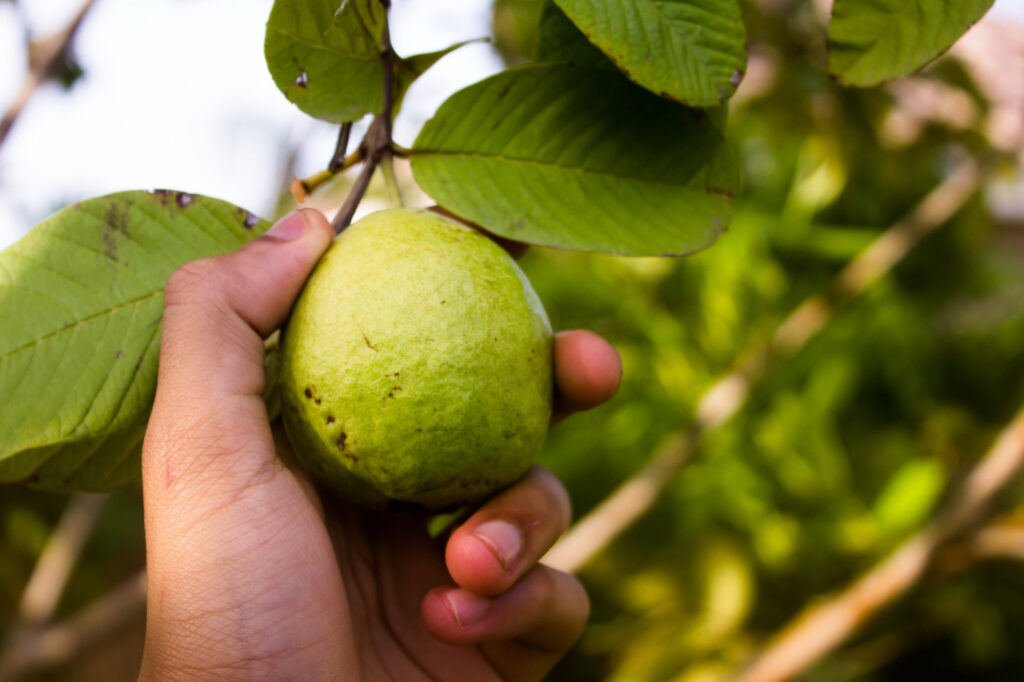
The Guava is one of the most adaptable fruit trees in Kokan.
Ecological Significance: Guava trees thrive in mixed cropping systems and require minimal chemical input, making them ideal for organic farming.
Nutritional Value: Guava is extremely rich in:
- Vitamin C
- Dietary fiber
- Antioxidants
Growing at Home
- Can be grown in large pots or terrace gardens
- Fruits within 2–3 years from grafted plants
- Needs regular pruning
Jamun
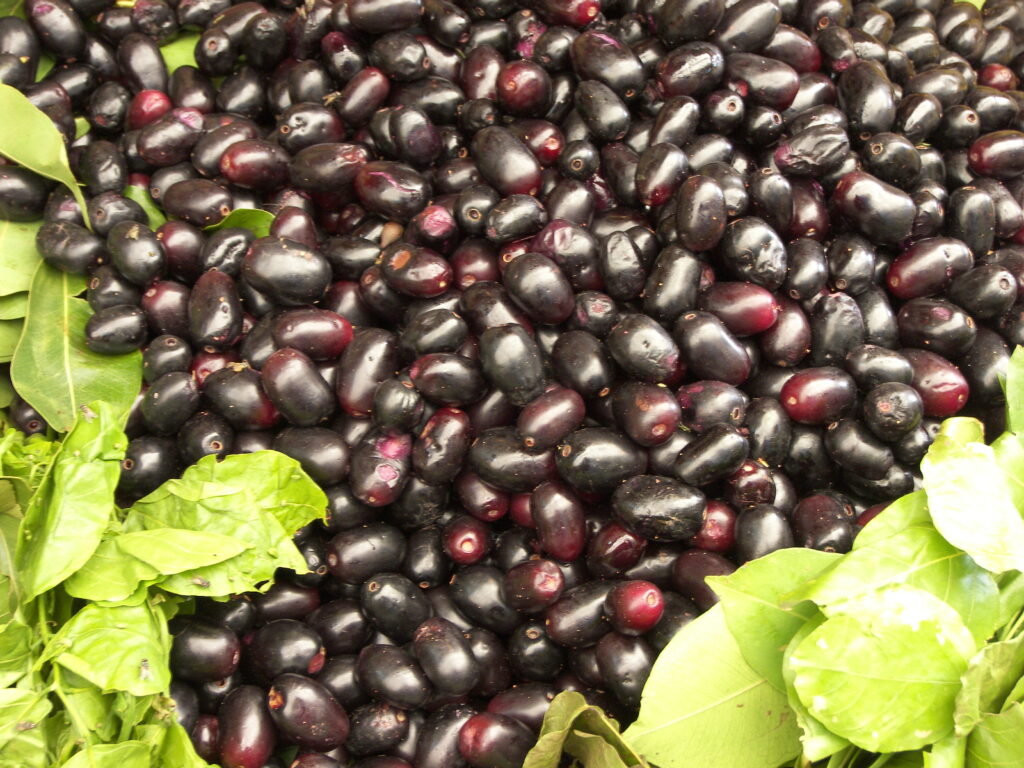
The Jamun is a semi-wild native fruit tree found near rivers and village commons in Kokan.
Ecological Significance: Jamun trees support local biodiversity, provide shade, and require very little maintenance once established.
Nutritional Value: Jamun is valued for:
- Blood sugar regulation support
- Iron and antioxidant content
- Liver and digestive health benefits
Growing at Home
- Suitable for large yards or farm edges
- Can be grown from seed or graft
- Long-living and low-maintenance tree
Why Organic Fruits of Konkan Matter
Choosing organic fruits of Konkan is not just about taste; it is about supporting a sustainable and traditional food system that values:
- Chemical-free cultivation
- Seasonal eating
- Local farmer livelihoods
- Biodiversity and soil health
These fruits reflect a model where nutrition, ecology, and culture are deeply connected.
Final Thoughts
The organic fruits of Konkan are a living example of how traditional farming and natural ecosystems can produce food that is both delicious and nutritionally powerful. By including these fruits in your diet or even growing them at home, you take a small but meaningful step toward healthier living and sustainable agriculture.