I’ll be honest, my first attempt at growing herbs indoors was pure desperation. Coriander was on the expensive side during one crazy monsoon in Mumbai, and it never lasted more than two days in the fridge. One evening, I just threw a handful of coriander seeds into an old tin can on my kitchen windowsill. To my surprise, tiny green shoots popped up a week later. That tin can became my gateway to indoor gardening.
Fast forward a couple of years, and my kitchen now has its own little green corner. Tulsi for chai, mint for lemonade, basil for pasta, curry leaves for sambhar, and even parsley because I wanted to feel fancy. It’s not perfect (I’ve killed basil more than once), but there’s nothing like snipping fresh mint while your tea is boiling.
If you’ve ever thought about starting a herb garden in your flat or studio, let me share what’s worked and what hasn’t.
The Herbs That Actually Survive Indoors
I’ve tried quite a few, but some are just easier than others:
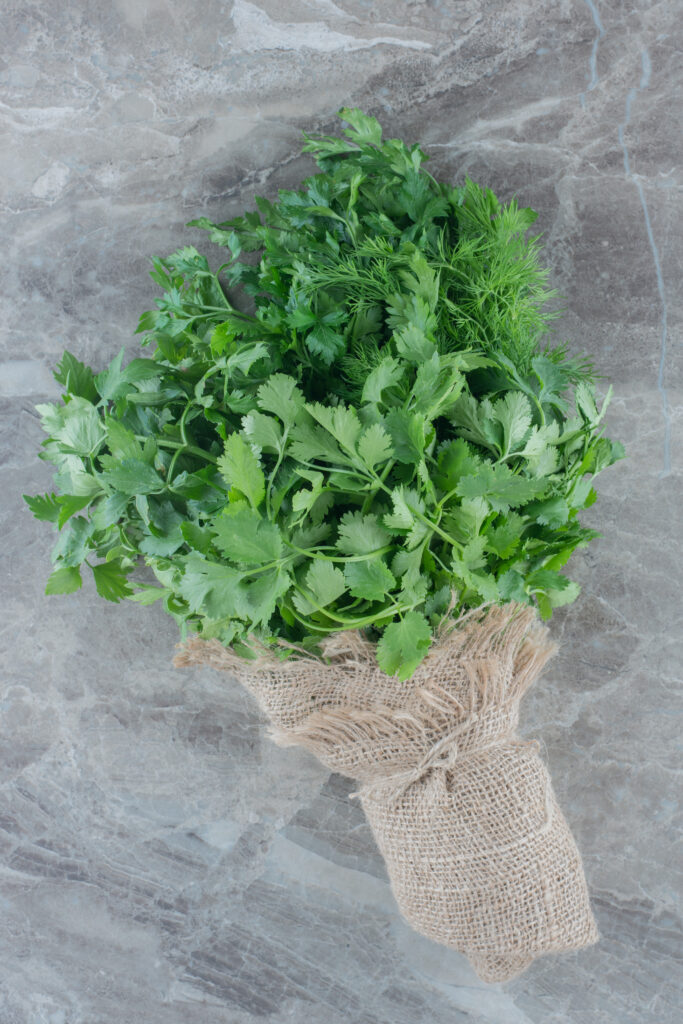
- Coriander (Dhania): Grows fast, forgiving of mistakes. A great confidence booster.
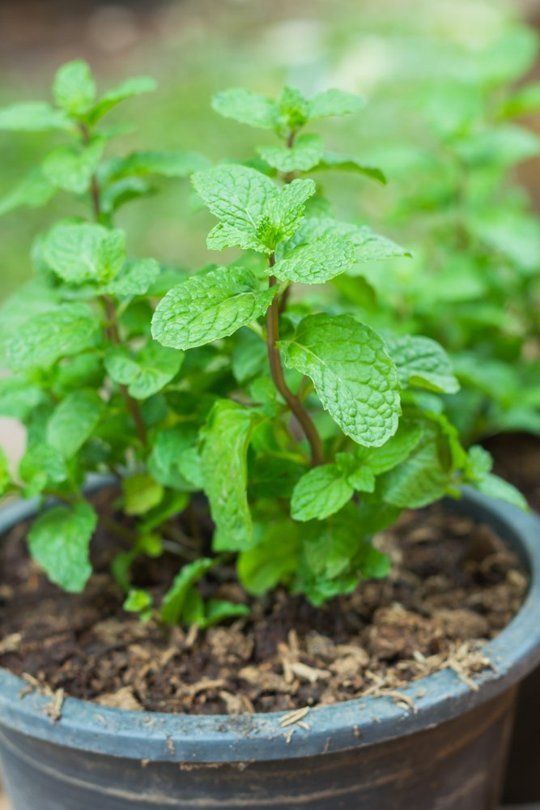
- Mint (Pudina): Spreads like crazy. Perfect for forgetful waterers like me.
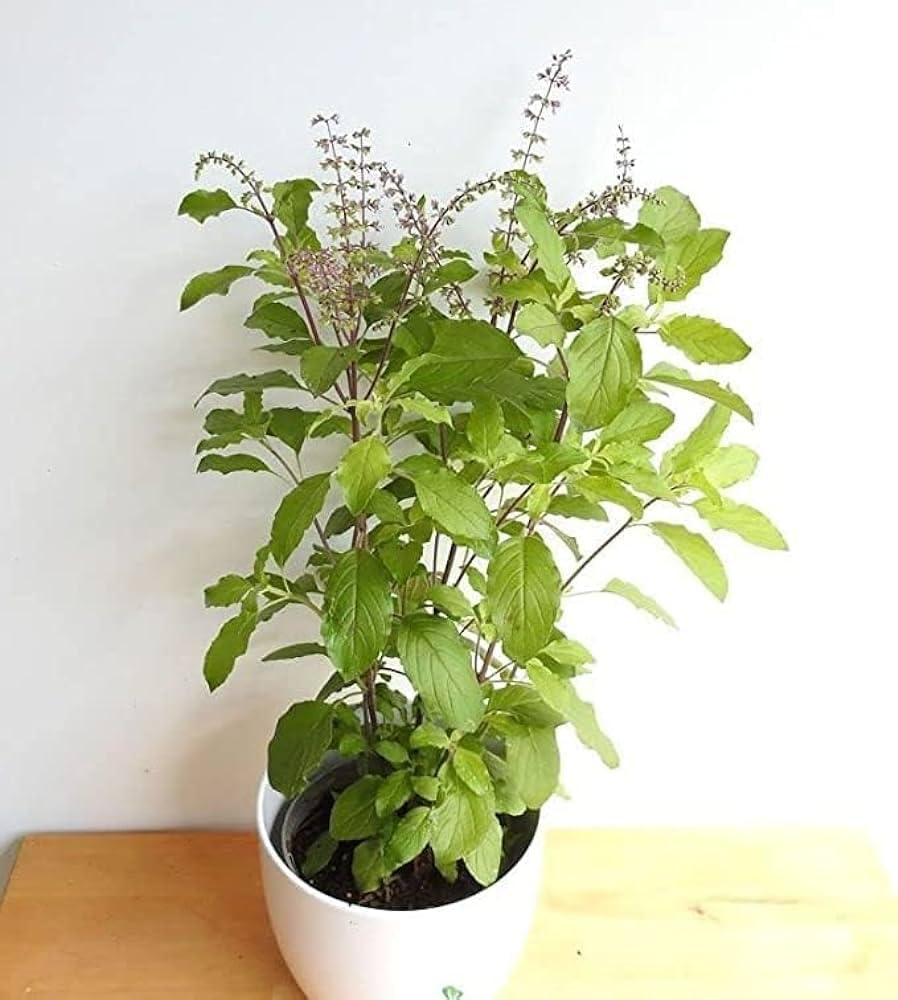
- Tulsi: Almost every Indian household has one. Hardy, low fuss, and a cup of Tulsi chai in the morning feels grounding.
- Parsley: Not common in Indian kitchens but surprisingly easy to grow.
If you’re up for a little challenge:
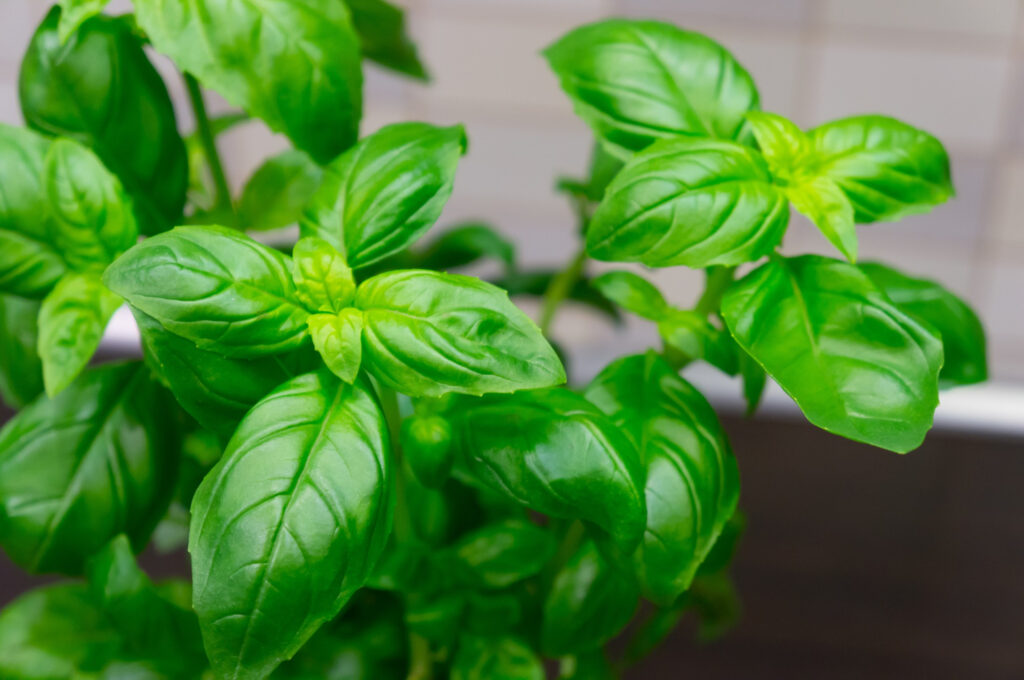
- Basil: Delicious but dramatic. Skip watering once, and it sulks.
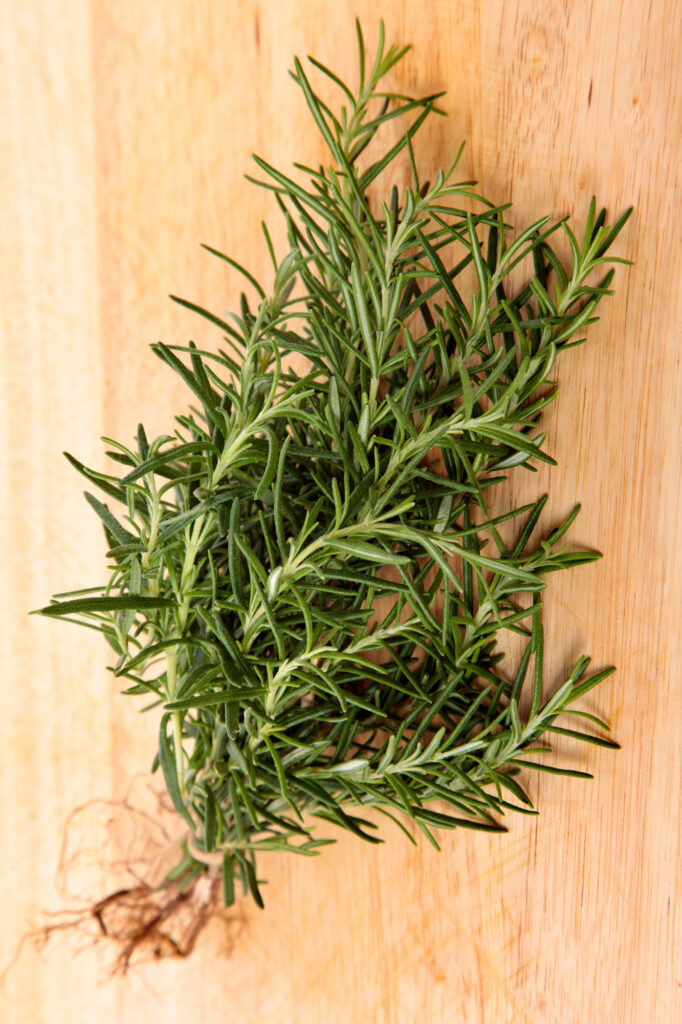
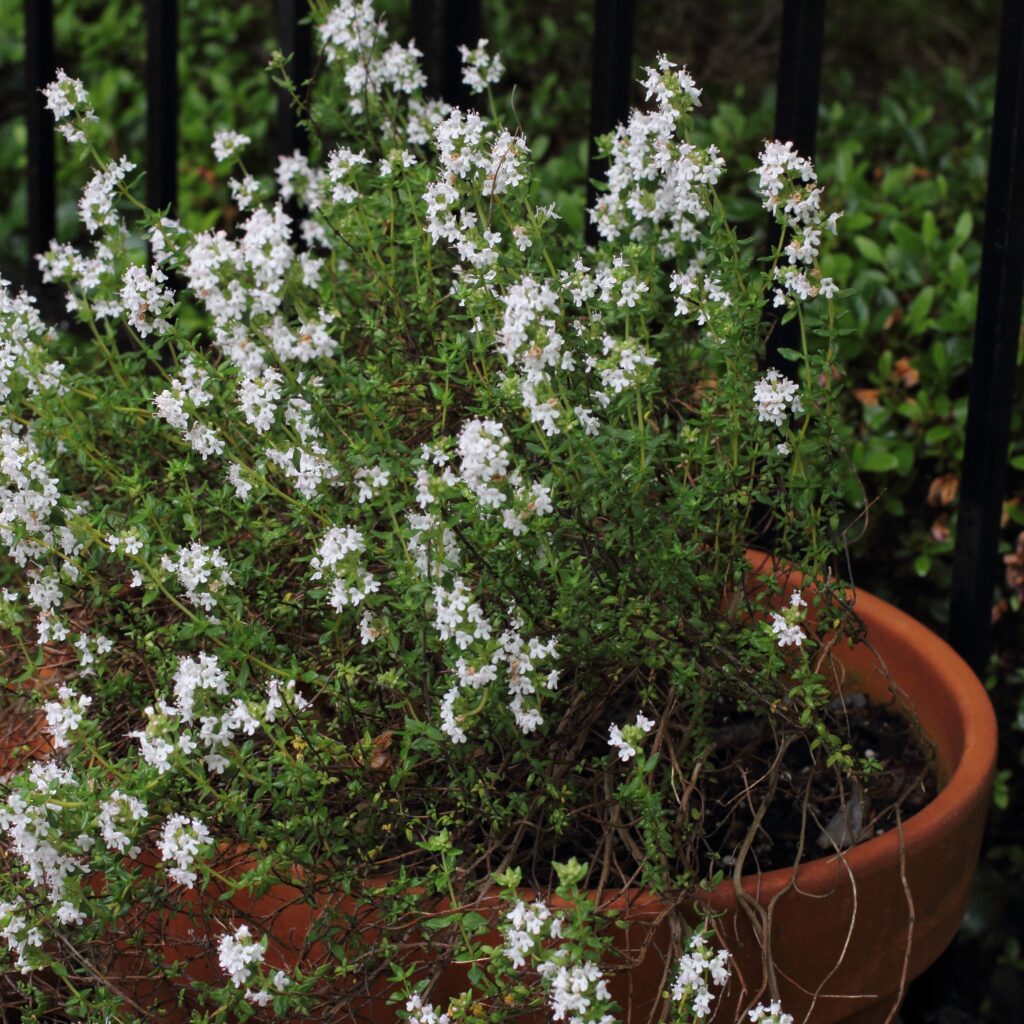
- Rosemary & Thyme: Need sunlight, but worth it if you love Mediterranean flavours.
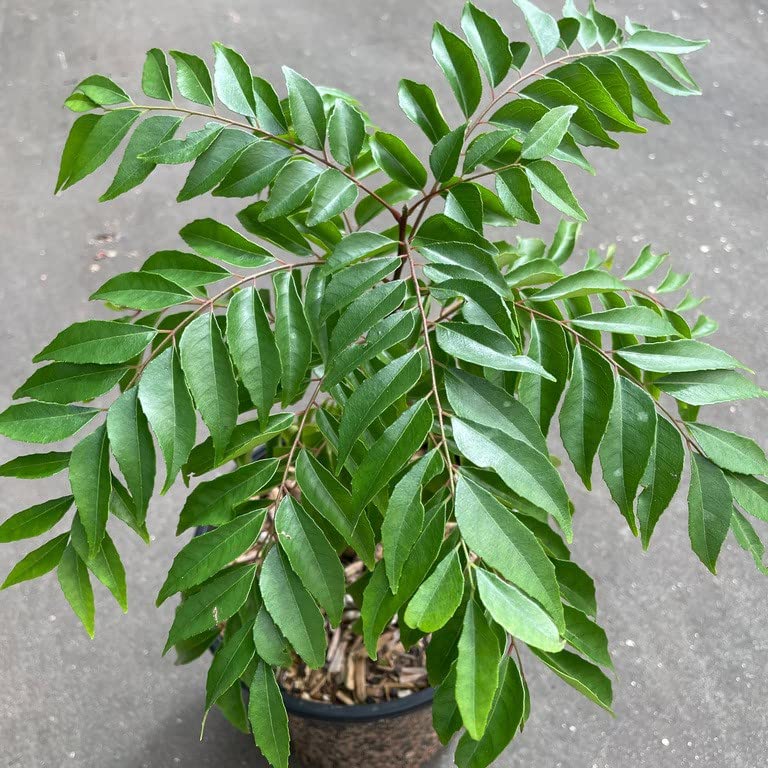
- Curry Leaves: Slow starter, but when it takes off, it’s magic in sambhar.
Pots, Jars, and Whatever Else You Have
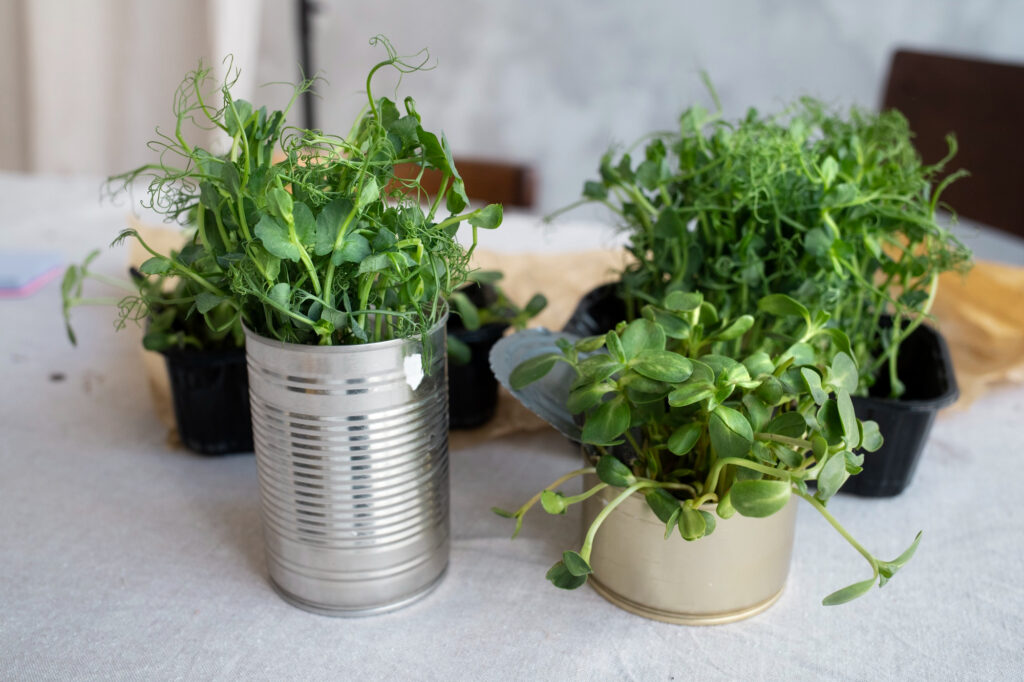
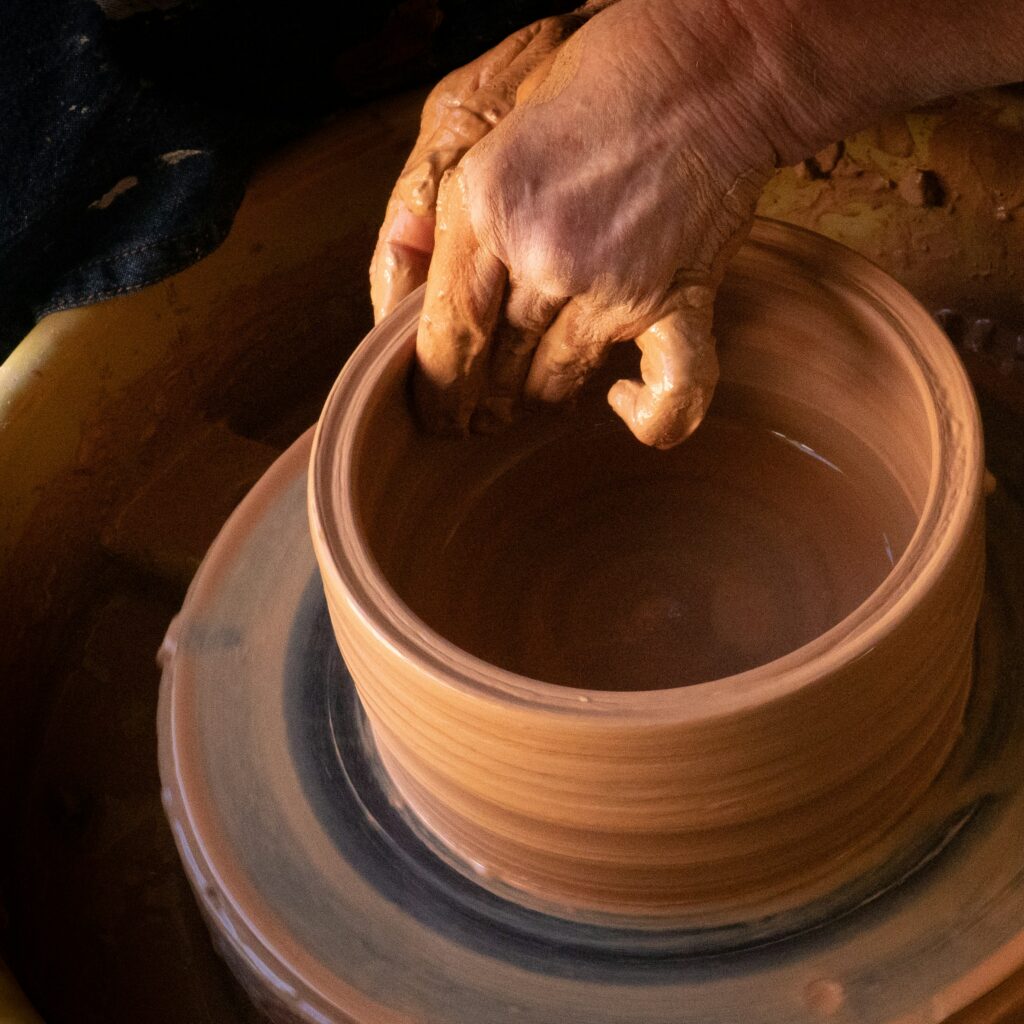
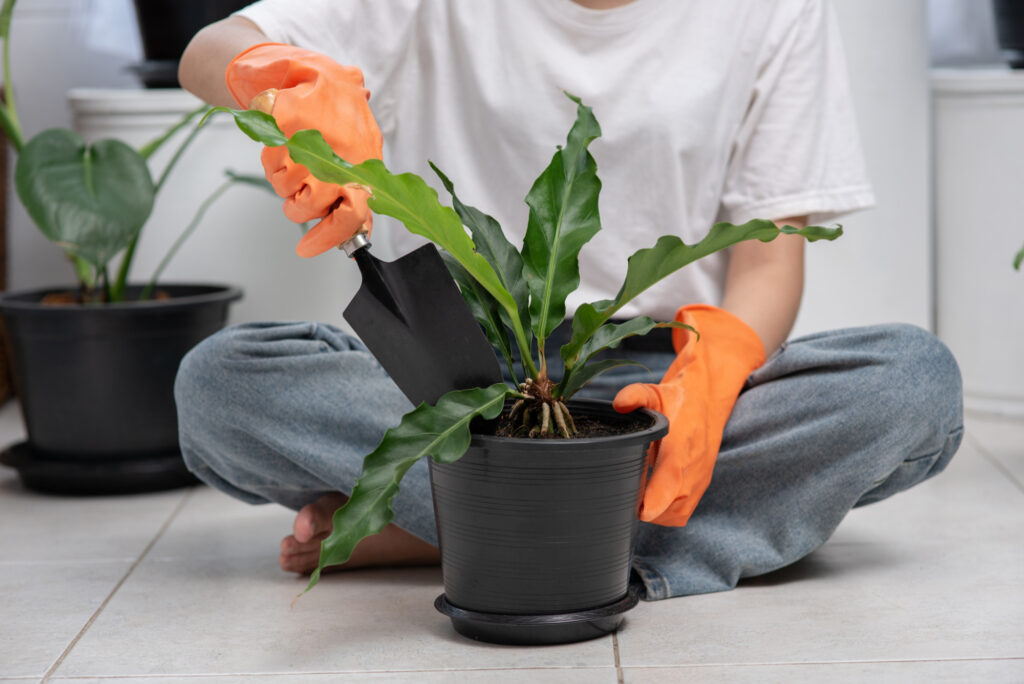
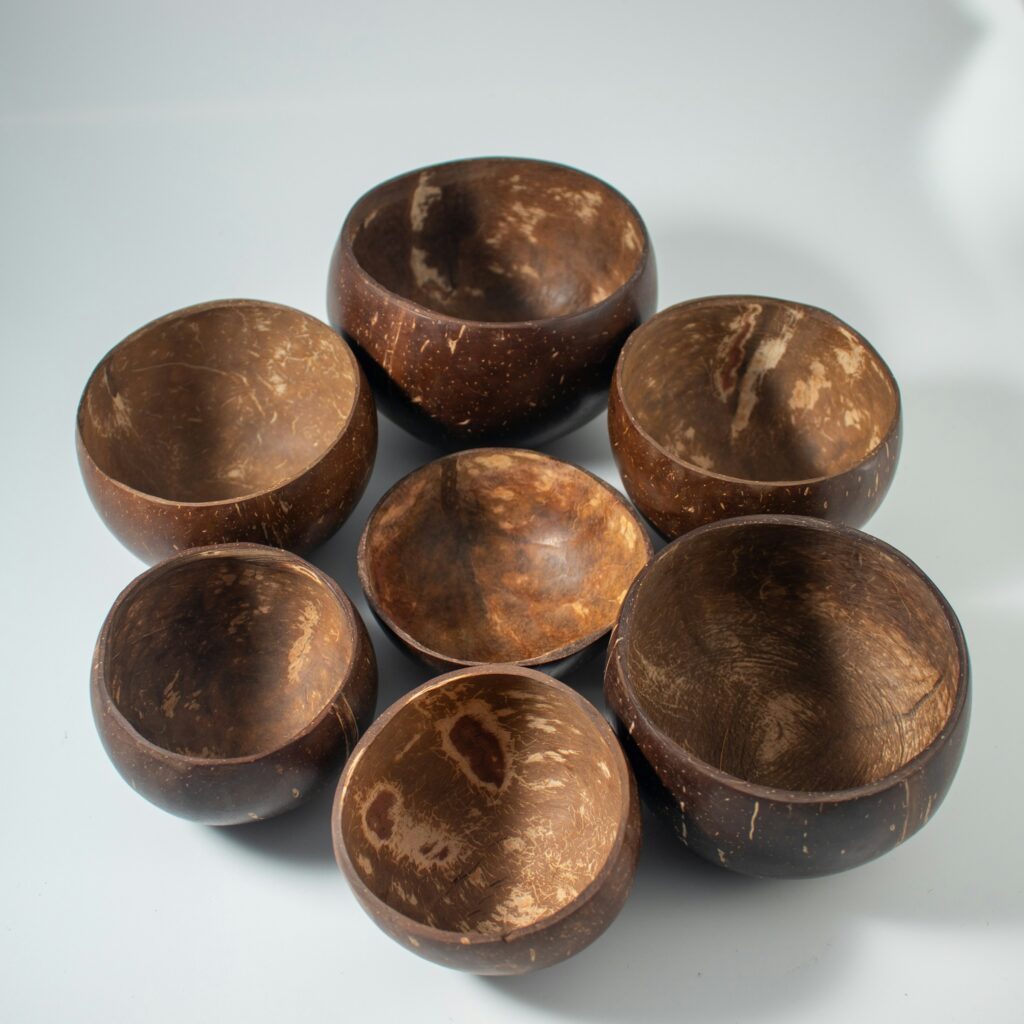
You don’t need fancy planters. Honestly, my best mint plant grew in a cut Pepsi bottle. Later, I experimented with:
- Clay pots: They breathe and keep soil healthy.
- Tin cans: Punch holes in the bottom.
- Coconut shells: A tip I picked up from my Konkan relatives. Rustic and eco-friendly.
- Smart self-watering pots: Pricey, but perfect if you travel or forget to water.
Where to keep them? A sunny windowsill is ideal, but I’ve seen people pull it off in balconies, kitchen corners, even vertical shelves. No sunlight? Small LED grow lights work surprisingly well and don’t cost much online.
Keeping The Herbs Alive (Light, Water & Care)
This is the part that took me the longest to figure out.
- Sunlight: Coriander and mint are okay with 4–5 hours. Basil and rosemary want more. Tulsi survives even in less light.
- Watering: Don’t flood them. Stick your finger in the soil. If it feels dry an inch down, water. Mint loves a drink, rosemary doesn’t.
- Food: You don’t need chemical fertilisers. I feed mine with crushed eggshells, dried tea leaves, banana peel powder, and even leftover buttermilk.
Mistakes? Oh, plenty. I once drowned coriander in enthusiasm (goodbye, seedlings). Another time, I forgot basil on a hot weekend and came back to crispy leaves. Herbs teach you balance.
Little Hacks for Small Spaces
- Self-watering bottle hack: Fill a plastic bottle, poke a tiny hole in the cap, and stick it upside down in the soil. Works like a charm.
- Vertical shelves: A friend of mine uses an old shoe organiser to hang herbs on her balcony wall. Surprisingly chic.
- Compost in a jar: Even in apartments, you can compost veggie scraps in a small container. Free fertiliser.
- Coconut husk planters: Cheap, sustainable, and look cool on the kitchen counter.
Harvesting Without Killing the Plant
Here’s the rookie mistake: cutting too much at once. Been there, done that.
- Coriander: Trim the outer stems, leave the centre to keep growing.
- Mint: Cut just above a node (where new leaves form).
- Tulsi: Never strip bare, just take a few leaves when needed.
- Basil: Pinch off flowers early; otherwise, leaves turn bitter.
Rule of Thumb: never harvest more than a third of the plant at a time.
Everyday Joys of Having Herbs at Home
There’s something ridiculously satisfying about tossing homegrown mint into your chai, or snipping fresh curry leaves for tadka. My Tulsi plant feels almost like a family member now. I water it every morning before I even check my phone.
It’s not about saving money (though you do). It’s about flavour, freshness, and the quiet joy of watching something grow in your care. Whether you’re in a one-room kitchen in Mumbai or a studio in London, a small herb corner can make your home feel alive.
Final Thought
Don’t overthink it. Start with one pot, one herb. Maybe coriander in a recycled jar. Once you see those first shoots, you’ll want more. That’s how my “tin can coriander” turned into a kitchen jungle, one plant at a time.
Now it is your turn to discover the secret powers of everyday herbs! Subscribe now for tips, recipes, and natural remedies that will transform your kitchen and wellness routine.