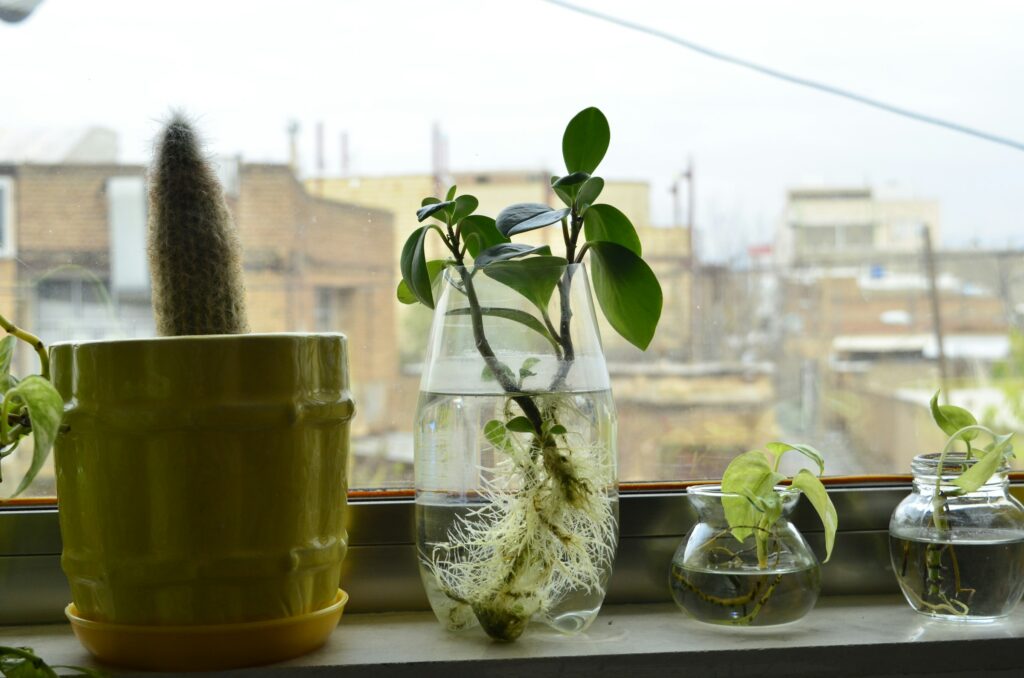
Remember that Ixora you planted for the sunbirds, or the bright Coleus on your balcony? What if you could grow more plants like those for free? I used to spend a lot at nurseries, always filling empty spots or replacing plants that had worn out. Then a friend gave me a small money plant cutting. It rooted easily in a glass of water, and I realized how simple it was. Now my home is full of plants I’ve grown from cuttings. Propagating plants is affordable, enjoyable, and easier than you might think. It’s not just about saving money, it helps you connect with your plants, notice new growth, and share extras with friends.
Ready to start propagating plants? Let’s get going.
Why Bother Propagating Plants (When Nurseries Exist)?
Good question. Here’s why I’m completely hooked on propagation:
- Free Plants, Duh! This is the obvious one. Why buy when you can grow?
- Fill Your Garden & Home: Have an empty spot in a pot? Want to green up a bare shelf? Propagation lets you expand your collection instantly.
- Share the Green Love: Nothing beats giving a friend a little “baby” plant you grew yourself. It’s a thoughtful, personal gift.
- Replace Tired Plants: Sometimes, plants get old and leggy. Propagation lets you start fresh with a vigorous young clone.
- Deepen Your Green Thumb: It’s incredibly empowering. You move from just “keeping plants alive” to actively creating new life.
Easiest Ways to Get Free Plants
I’m going to share the methods that are simplest for beginners and work for a huge variety of common houseplants and garden favourites.
Propagating Plants Using Stem Cuttings in Water

This is where most people start, and for good reason, it’s incredibly satisfying to watch roots grow.
Best for: Money Plant (Pothos), Coleus, Basil, Mint, Syngonium, Philodendron, Wandering Jew.
What you need:
- A healthy “mother plant” (the plant you’re taking cuttings from).
- Sharp scissors or pruning shears (clean them first!).
- A clear glass jar or bottle.
- Fresh water.
How-To in 3 Easy Steps:
- Snip It: Look for a healthy stem with at least 2-3 leaves. Just below a “node” (that little bump on the stem where a leaf or branch grows from), make a clean cut. Remove any leaves that would be submerged in water.
- Dunk It: Place your cutting in the glass jar, making sure the node is fully under water but no leaves are submerged.
- Watch It Grow: Place the jar in a spot with bright, indirect light. Change the water every few days to keep it fresh. You should see little white roots starting to emerge in 1-3 weeks, depending on the plant. Once the roots are a couple of inches long, it’s ready for potting.
Propagating Plants using Stem Cuttings in Soil
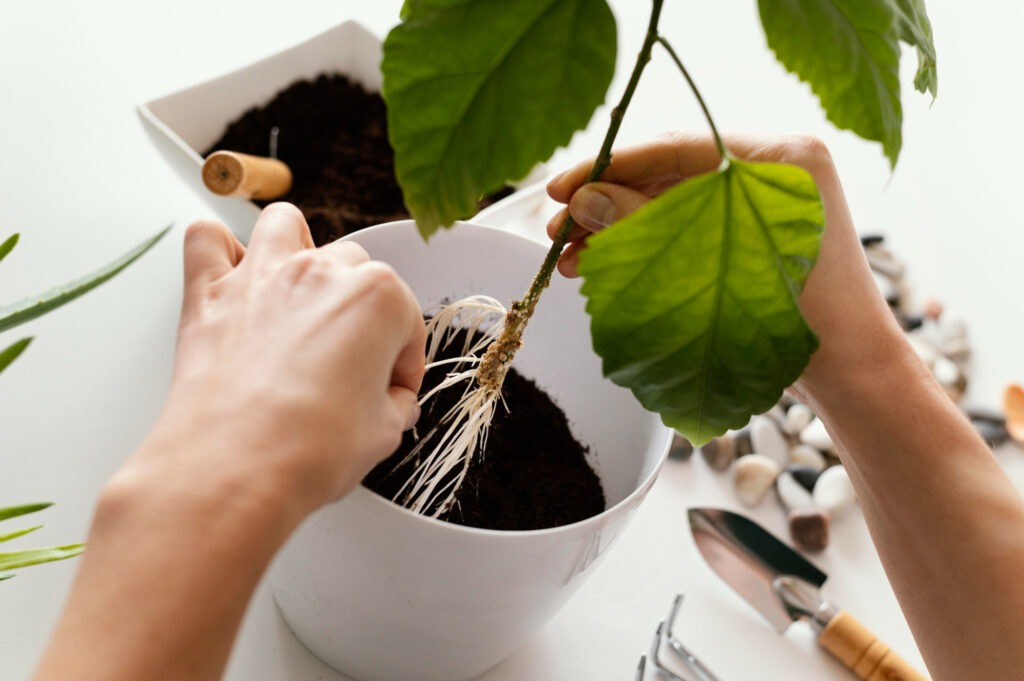
Some plants prefer to root directly in soil. It’s a bit less dramatic than watching roots in water, but just as effective.
Best for: Ixora, Salvia, Hibiscus, Bougainvillaea, Lantana, Rosemary.
What you need:
- Healthy mother plant.
- Sharp, clean scissors/shears.
- Small pots (reused yoghurt cups with drainage holes work great!).
- A good, well-draining potting mix (a mix of coco peat and perlite is ideal).
- (Optional but helpful) Rooting hormone powder.
- A clear plastic bag or dome (to create humidity).
How-To in 3 Easy Steps:
- Take Your Cut: Snip a 4-6 inch cutting from a healthy, non-flowering stem. Remove leaves from the bottom 2-3 inches. If using rooting hormone, dip the cut end into the powder.
- Plant It Up: Fill your small pot with potting mix, make a hole with your finger, and gently insert the cutting. Firm the soil around it.
- Create a Humid Tent: Water the cutting well. Then, place a clear plastic bag over the pot (supported by sticks so it doesn’t touch the leaves) or use a clear plastic dome. This mini greenhouse keeps humidity high, which helps prevent wilting. Place it in a warm spot with bright, indirect light. Check the soil every few days to ensure it stays lightly moist. New leaf growth is a sign of success.
Division
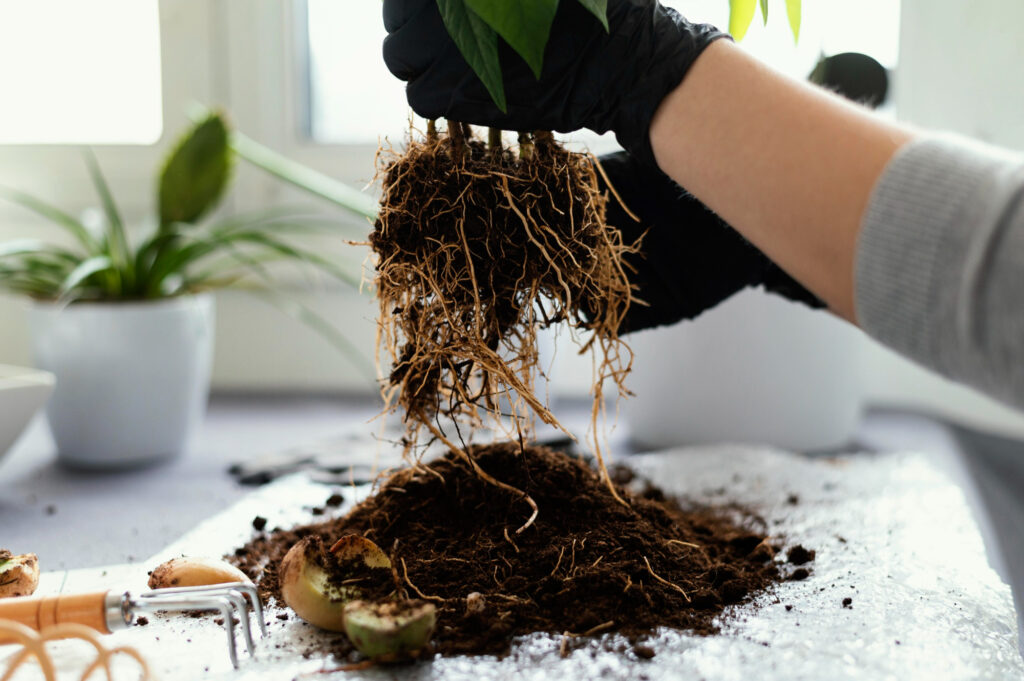
This method is super easy for plants that grow in clumps. You literally just split them.
Best for: Marigolds (at the end of their bloom cycle), Spider Plants, Peace Lilies, many ornamental grasses.
What you need:
- A clumping plant that you want to divide.
- A garden trowel or old knife(clean).
- New pots and fresh potting mix.
How-To in 3 Easy Steps:
- Gently Unpot: Carefully remove the plant from its pot. If it’s a large plant, you might need to lay it on its side.
- Separate with Care: Look for natural divisions in the root ball. Gently pull or cut the plant into 2 or 3 smaller sections, making sure each section has roots and some foliage.
- Repot: Plant each new section into its own pot with fresh potting mix. Water them in well. They might look a little shocked for a few days, but they’ll perk right up.
My Essential Tools for Propagating Plants
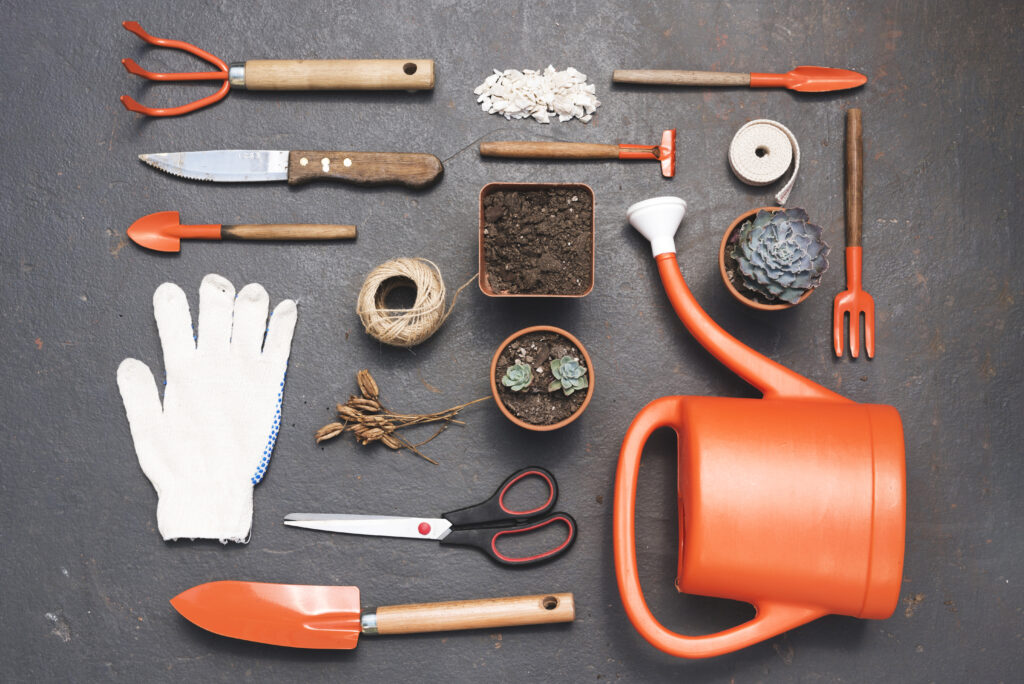
- Sharp Scissors/Pruners: A clean cut prevents damage and disease.
- Small Pots/Containers: Re-use yogurt cups, plastic bottles cut in half (with drainage holes), or old nursery pots.
- Good Potting Mix: Investing in decent, well-draining soil for your baby plants is worth it. I usually use a mix of coco peat and vermicompost.
- A Clear Spot with Indirect Light: Baby plants don’t like harsh direct sun.
Troubleshooting
- Rotting Cuttings: Usually, too much water, stagnant water, or not enough oxygen. Change water regularly for water cuttings, and ensure soil is well-draining for soil cuttings.
- Wilting Leaves: Often, the air is too dry. The clear plastic bag “tent” helps immensely for soil cuttings. For water cuttings, ensure they’re not in direct harsh sun.
- No Roots/Slow Growth: Be patient. Some plants take longer. Ensure consistent warmth and light (And check your pH if you’re feeling adventurous).
Conclusion
Learning to propagate plants is one of the most rewarding gardening skills you can master. It transforms your approach to gardening from simply consuming to actively creating. You’ll not only save money but also gain a deeper appreciation for the life cycle of your plants. So go ahead, grab those scissors, and start your free plant empire today.
What plant are you most excited to multiply for free?
A) My favorite herb (Basil, Mint, etc.)
B) A beautiful flowering plant (Ixora, Salvia)
C) A leafy houseplant (Money Plant, Syngonium)
D) I’m just excited to try anything.
Share your own propagation successes (or questions) in the comments below. Let’s grow together.



Pingback: Mangrove Coastal Protection: Guarding Konkan Against Greed | Organic Kokan