Ever been admiring your beautiful plants when you spot tiny green bugs or white fluff on a leaf? Pests. My first reaction used to be panic and reaching for chemical sprays. But then I thought about the bees, sunbirds, and my curious cat exploring the balcony. Using chemical pesticides didn’t feel right. I soon realised my garden is an ecosystem, not a lab. If I want healthy plants and thriving pollinators, I need to control pests naturally. Natural pest control isn’t just “organic”; it’s smarter, safer, and better for the environment. Ready to ditch pesticides and protect your garden the eco-friendly way? Let’s begin.
Why Natural Pest Control? (Beyond “Being Eco-Friendly”)
Yes, I care about the planet, but I’ll be honest, I’ve got a few selfish reasons for going natural, too. Switching to natural pest control took a bit of a mindset change, but now I wouldn’t go back. The garden’s thriving, the bees are happy, and I can breathe easy knowing everything out there is safe.
- Your Pollinators Will Thank You: I love seeing bees and butterflies doing their thing out there. Chemical sprays don’t play favourites; they kill the good bugs too. Going natural means my pollinator pals stay safe.
- It’s Safer for Everyone: I grow herbs I actually eat, and my cat investigates everything. I’d rather not worry about what’s sitting on the leaves. Natural pest control just feels better, simple, safe, and easy.
- My Plants Are Happier: Harsh sprays might zap pests fast, but they also mess up the soil and leave plants stressed. Since I switched to natural methods, my garden looks stronger and more balanced.
- And It Works: Once you learn the ropes, it’s surprisingly easy. No chemicals, no weird smells, just healthy plants doing their thing.
Common Pests (and How to Spot Them)
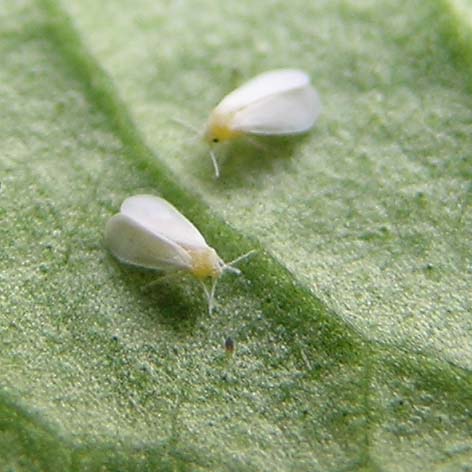
Even the most vibrant gardens encounter some uninvited guests. The secret to effective natural pest control is identifying them promptly, before they escalate into a significant infestation. Here are a few of the common troublemakers:
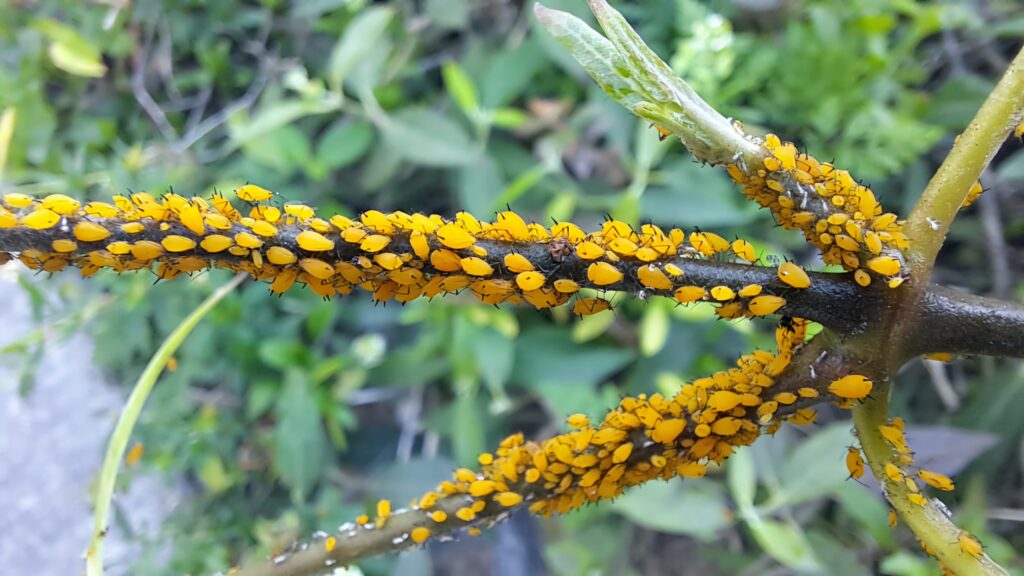
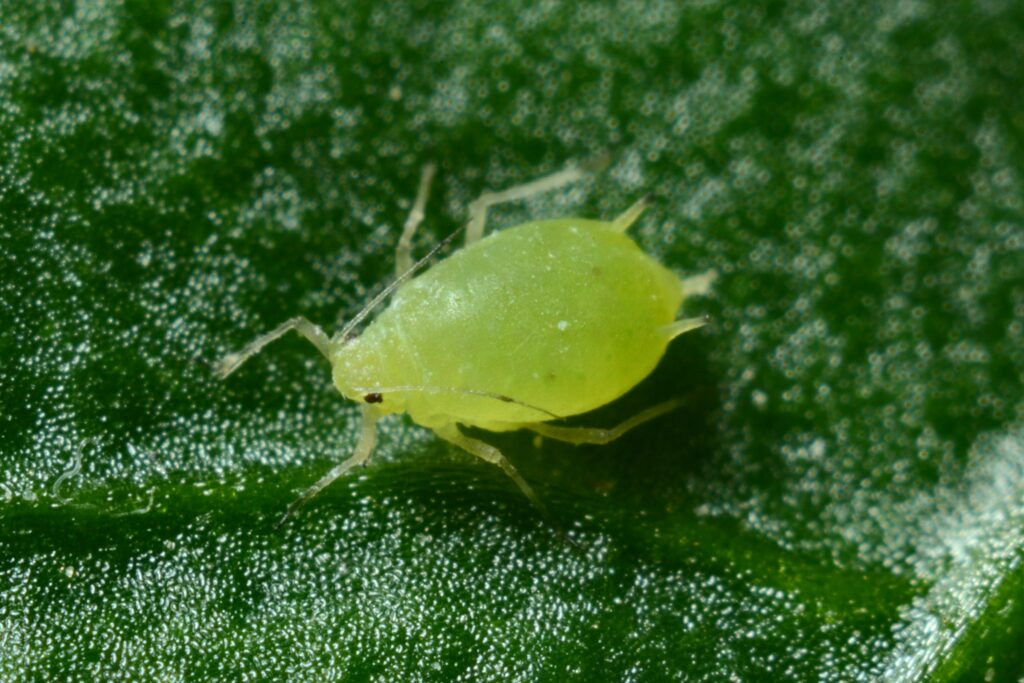
- Aphids (The Small Green or Black Grapplers): These tiny pear-shaped insects enjoy gathering in clusters on fresh sprouts or beneath foliage. They extract the sap from your plants, causing the leaves to curl and hindering growth.
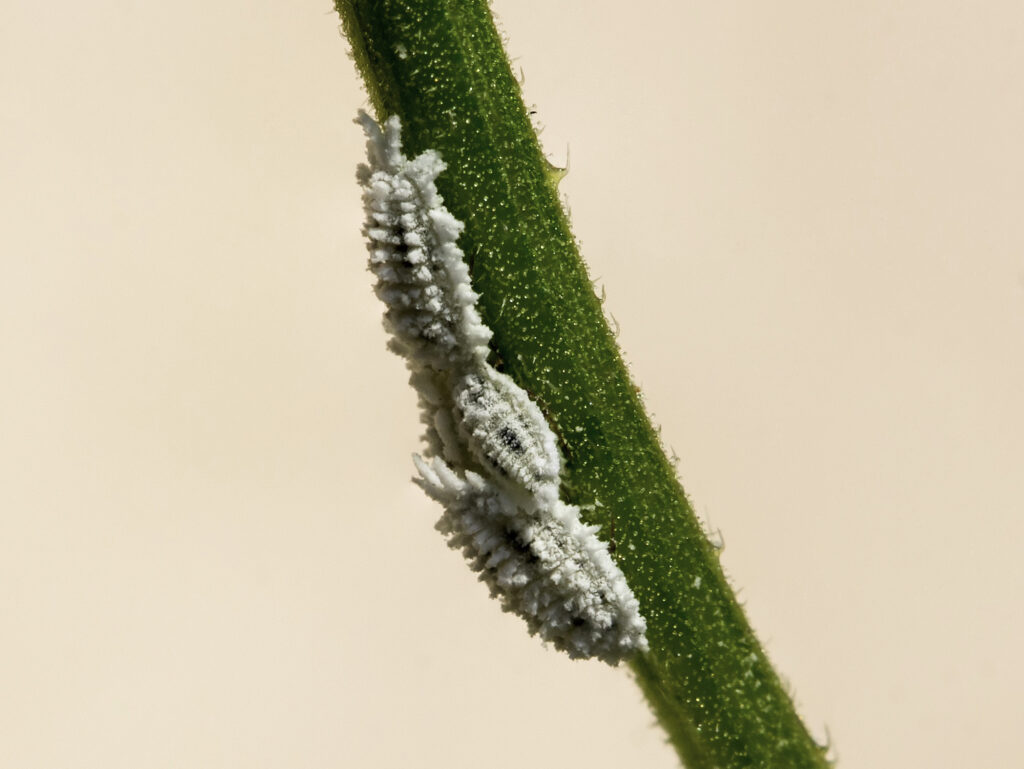
- Mealybugs (The White Fuzzy Fluff): They resemble small cotton pieces attached to your plant, often concealed in the areas where leaves connect with stems. They also consume sap and create a sticky leftover that draws in mold.
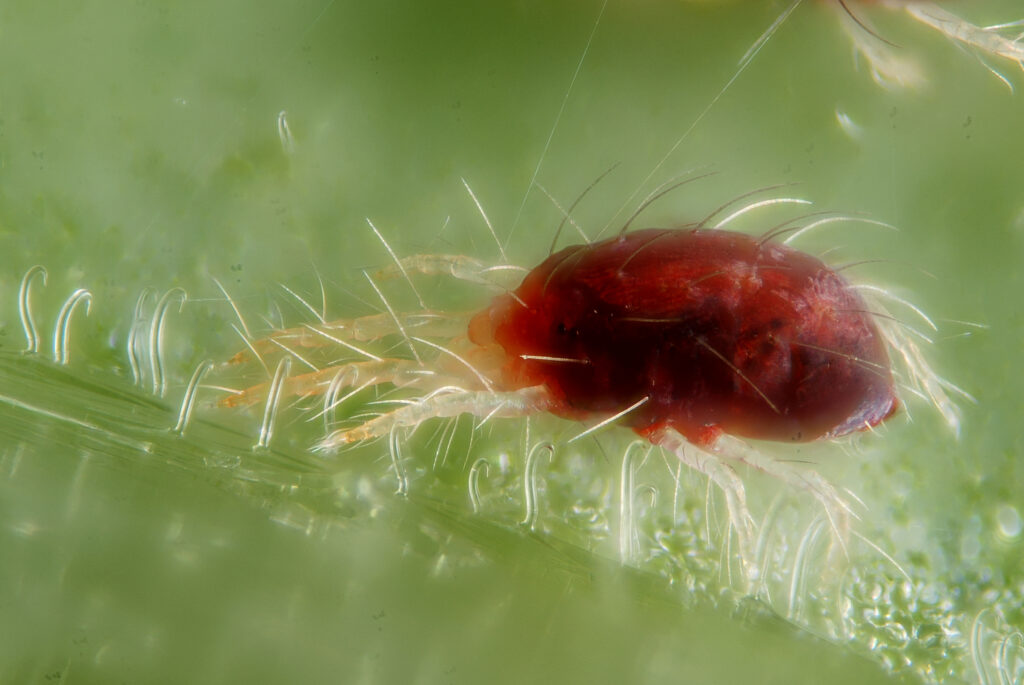
- Spider Mites (The Tiny Web Weavers): Nearly invisible, yet their webs reveal their presence. You will observe delicate strands on the leaves along with tiny yellow or brown dots. They flourish in warm, arid conditions, which is why they enjoy indoor and balcony gardens.
- Whiteflies (The Small White Flyers): These little white critters reside beneath leaves and take to the air in a cloud when disturbed. They extract the sap from your plants, making them appear weak and fatigued.
TIP: For efficient natural pest control, inspect the undersides of your leaves every few days, particularly in warm conditions.
Safe Natural Pest Control Methods That Work
Here are my go-to, tried-and-tested methods for kicking pests out of my garden, no chemicals required.
The “Blast & Wipe” Method (Manual Removal)
For: Aphids, Mealybugs, Spider Mites (if not too severe).
How-To:
- Blast ‘Em: For aphids, a strong spray of water from a hose (or even a spray bottle) can literally knock them off your plants. Do this early morning so the leaves dry quickly.
- Wipe ‘Em: For mealybugs or small aphid infestations, dip a cotton swab in rubbing alcohol and gently wipe the pests away. For larger areas, wipe leaves with a damp cloth.
- Squish ‘Em: (If you’re brave!) Small clusters of aphids can be squished between your fingers. It’s effective and oddly satisfying.
Why it works: Immediate physical removal. Often enough for small infestations.
The Neem Oil Shield (Gentle & Effective)
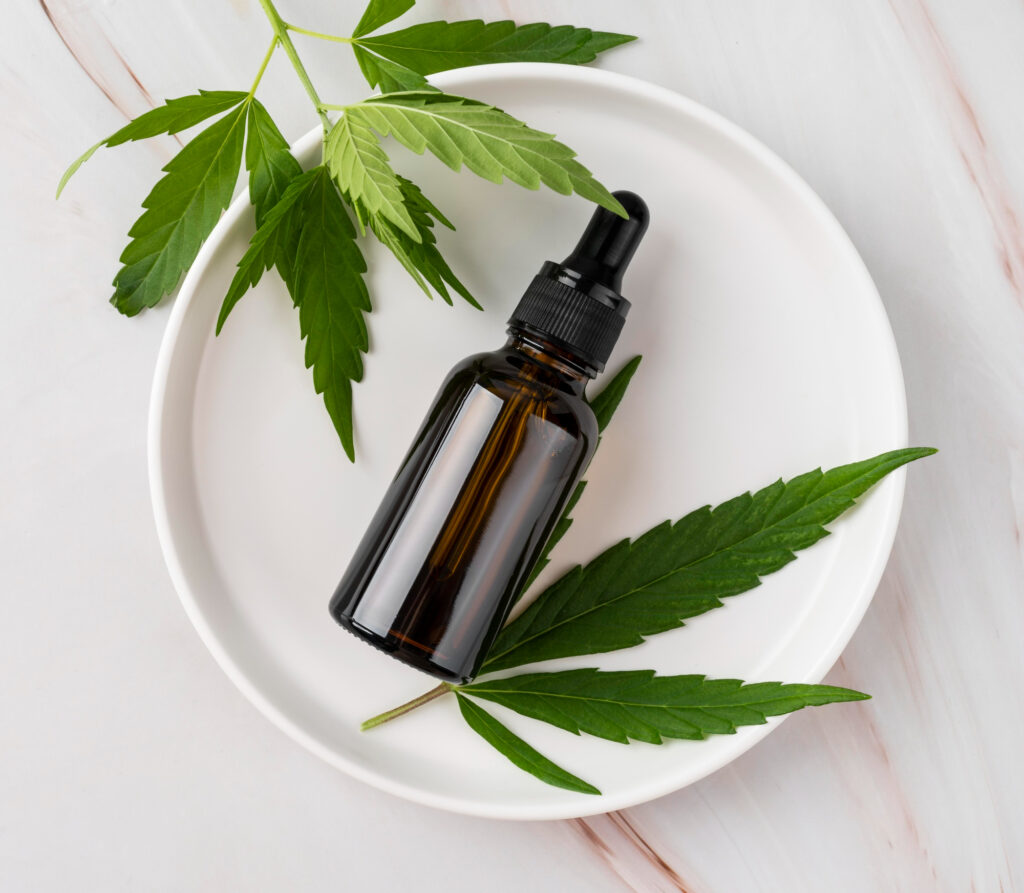
For: Almost all common pests (aphids, mealybugs, spider mites, whiteflies).
What you need:
- 1 teaspoon 100% cold-pressed Neem oil (easily available online or at garden stores).
- 1/2 teaspoon mild liquid dish soap (acts as an emulsifier).
- 1 litre of water.
- A spray bottle.
How-To:
- Mix Well: In your spray bottle, combine the water, Neem oil, and liquid soap. Shake vigorously right before spraying to ensure the oil is mixed, as it separates quickly.
- Spray Thoroughly: Spray your affected plant until it’s dripping wet, making sure to hit the undersides of leaves, stems, and all crevices.
- Repeat: Apply every 5-7 days for 2-3 weeks until the infestation is gone. Apply in the evening to avoid leaf burn in the sun and to protect beneficial insects (which are less active at night).
Why it works: Neem oil disrupts pest feeding, growth, and reproduction. It’s safe for pollinators once dry.
The Soap Spray (A Simple Suffocator)

For: Aphids, mealybugs, spider mites, whiteflies.
What you need:
- 1-2 tablespoons mild liquid dish soap (avoid harsh detergents).
- 1 litre of water.
- A spray bottle.
How-To:
- Mix & Spray: Combine soap and water in a spray bottle. Shake. Spray affected plants thoroughly, focusing on pest clusters.
- Rinse: After an hour or two, rinse the plant gently with plain water to wash off the soap residue.
- Repeat: Use every few days until pests are gone.
Why it works: The soap clogs the breathing pores of soft-bodied insects, causing them to suffocate. Rinsing prevents leaf damage from the soap.
Recruit Your Allies for Natural Pest Control(Beneficial Insects & Companion Planting)
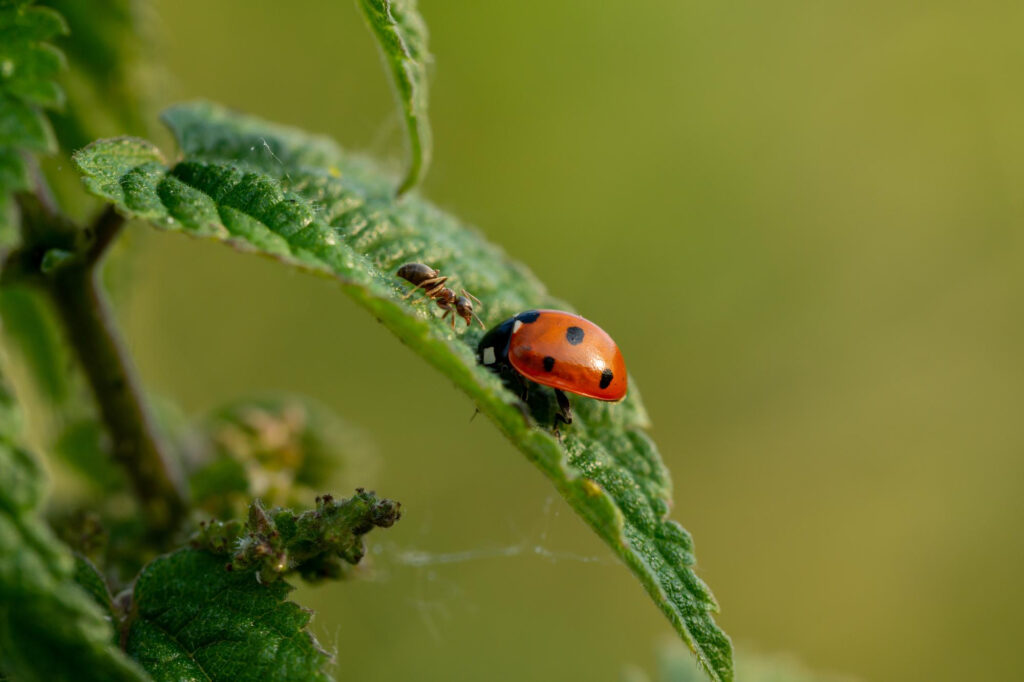
For: Prevention and ongoing control.
How-To:
- Attract Ladybugs: Plant flowers like Marigolds, Dill, or Coriander. Ladybugs (and their larvae) are ferocious aphid eaters.
- Plant Pest-Repellers: Marigolds can deter nematodes in the soil. Lemongrass and Basil are believed to repel mosquitoes and some other flying insects.
- Embrace Diversity: A diverse garden is a resilient garden. The more different plants you have, the more likely you are to attract a balance of insects.
Prevention is Your Best Defence
The best pest control is prevention. Here’s how I keep my garden healthy and less attractive to invaders:
- Inspect Regularly: My morning chai ritual includes a quick plant check. Catching pests early is key.
- Healthy Plants are Resistant: Well-fed, properly watered, and adequately lit plants are naturally more resistant to pests. Use a good potting mix and compost.
- Good Airflow: Crowded plants are prime targets. Ensure good air circulation around your plants, especially in humid Mumbai.
- Quarantine New Plants: Before introducing a new plant to your collection, keep it separate for a week or two to ensure it’s pest-free.
Conclusion: An Ecosystem, Not Just a Garden
Shifting to natural pest control may require a bit more observation and patience initially, but the rewards are immense. You’re not just saving your plants; you’re fostering a healthier mini-ecosystem right on your balcony. It’s a mindful way to garden that benefits everything from your buzzing bees to your blooming Ixora. Embrace the natural way, your garden (and the planet) will thank you.
What’s your biggest pest control challenge, or your favourite natural remedy?
A) Aphids are my nemesis.
B) Mealybugs always seem to find my hibiscus.
C) I struggle to identify pests accurately.
D) I’m excited to try Neem oil.
Share your tips, tricks, or pest nightmares in the comments below.