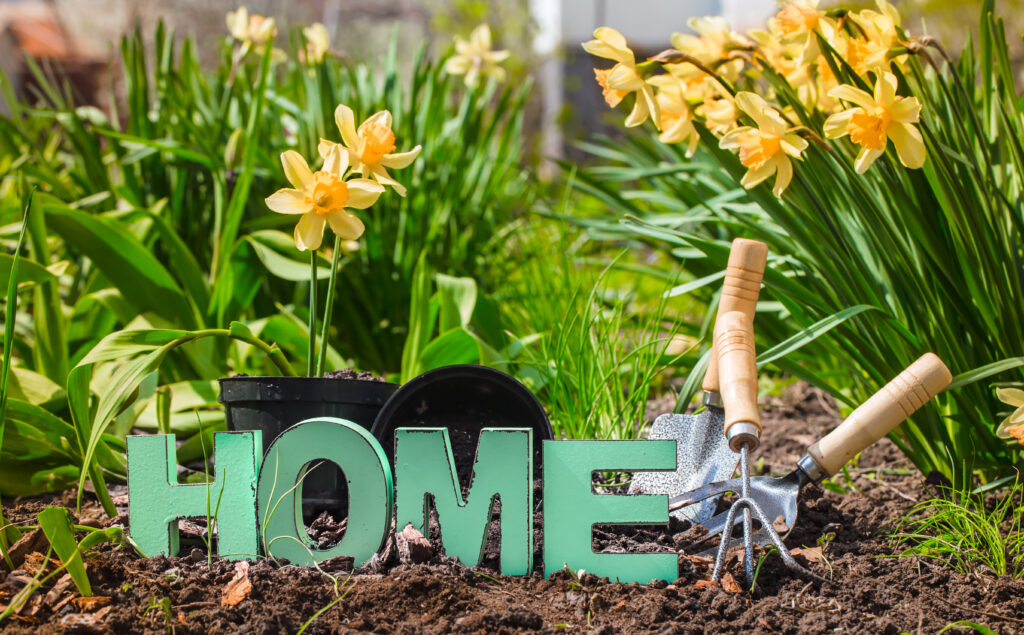
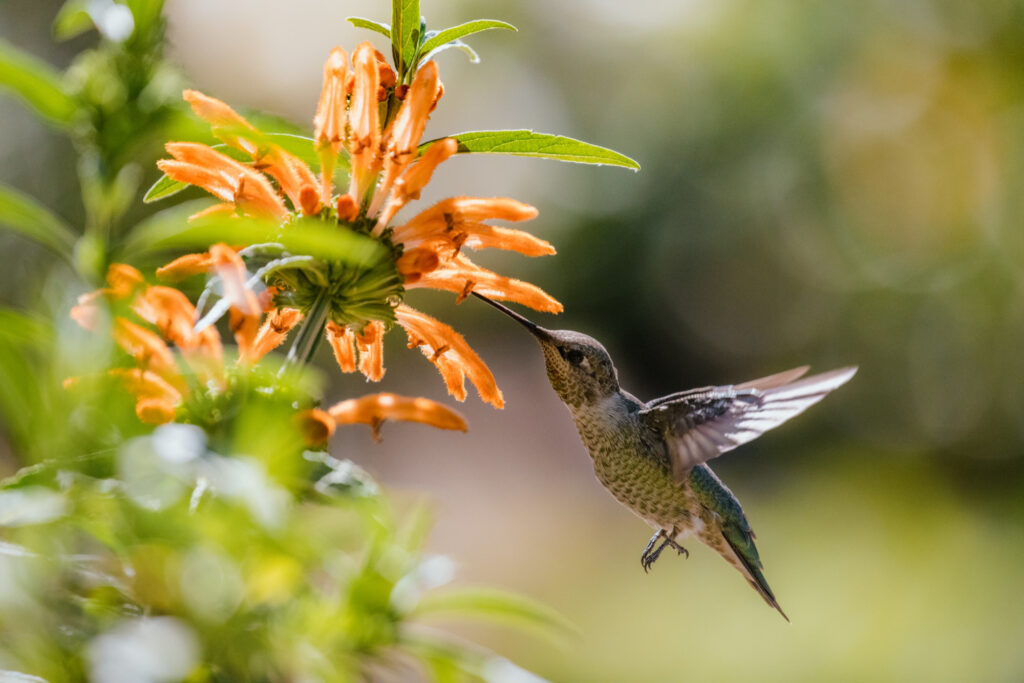
For the longest time, my balcony was just, there. A concrete slab for drying clothes and storing things I didn’t have space for inside. I had a few sad-looking plants, and it didn’t feel alive. It was quiet. One afternoon, it happened. A flash of iridescent purple and metallic green, hovering by a pot of Salvia I’d recently planted a sunbird. Tiny, impossibly fast, and the most beautiful thing I’d ever seen in my little urban corner. That tiny bird completely changed how I saw my garden. I realized I hadn’t just planted a flower, I had laid the foundation for a complete pollinator-friendly garden, and it was magical. This is your ultimate guide to doing the same turning your balcony into a bustling, vibrant hub for our local winged wonders.
Attracting Bees, Butterflies, and Sunbirds in a Pollinator-Friendly Garden
To create the best habitat, it helps to know who you’re inviting. Here in India, we have a rich variety of native bees and butterflies. Organizations like the World Wildlife Fund India and Bombay Natural History Society have great resources on these local species.
These are the tiny powerhouses we want to attract:
- The Jewels (Sunbirds): Our version of hummingbirds, these dazzling birds have curved beaks perfect for sipping nectar from tube-shaped flowers.
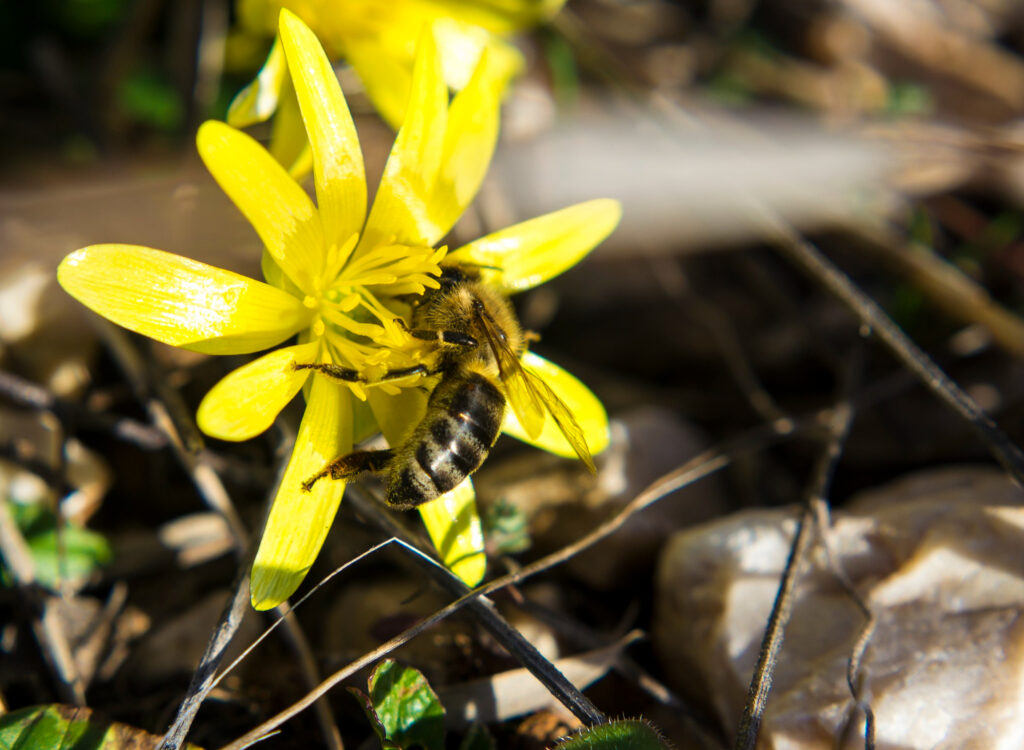
- The Buzzing Workers (Bees): From big, fuzzy carpenter bees to tiny native bees, they are the workhorses of pollination. A garden humming with bees is a healthy garden.
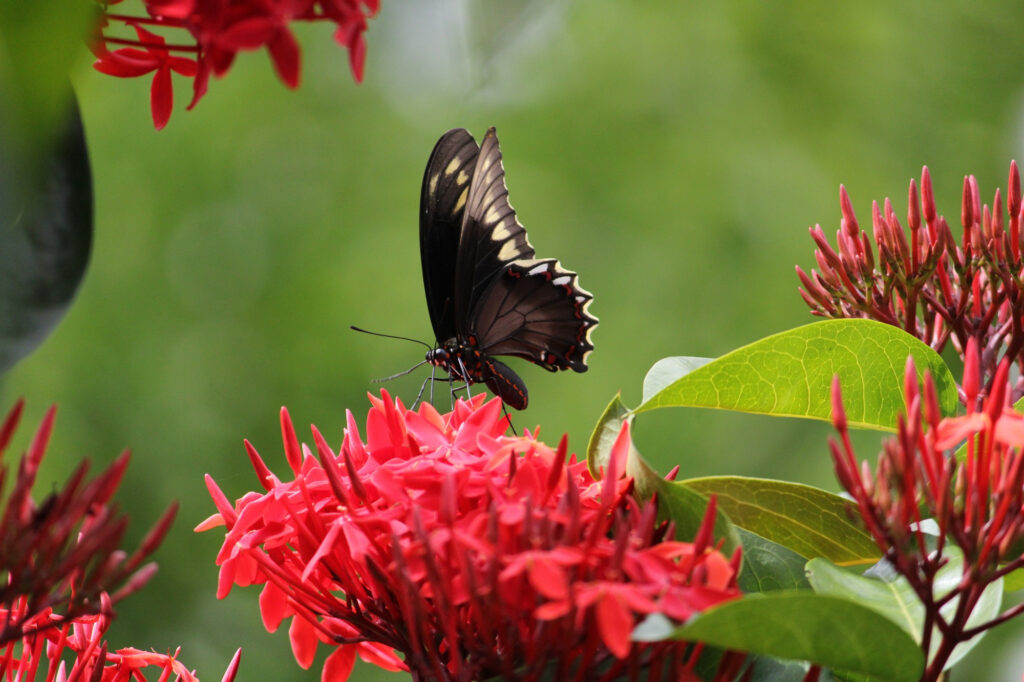
- The Floating Flowers (Butterflies): They need nectar flowers for the adults and specific host plants for their caterpillars to munch on.
The Ultimate Plant Menu for a Thriving Balcony Pollinator-Friendly Garden
It’s early October, we’re in the perfect post-monsoon planting season. A thriving pollinator-friendly garden combines reliable bloomers, stunning showstoppers, and useful multi-taskers.
The Non-Negotiables (Easy & Reliable Bloomers)

Ixora (Rugmini): If you get only one plant, make it this one. It’s tough, loves our climate, and its bright flower clusters are a giant “OPEN” sign for every pollinator in the neighbourhood.
Pentas: These star-shaped flowers are an all-you-can-eat buffet, blooming almost all year round. Butterflies find them absolutely irresistible.

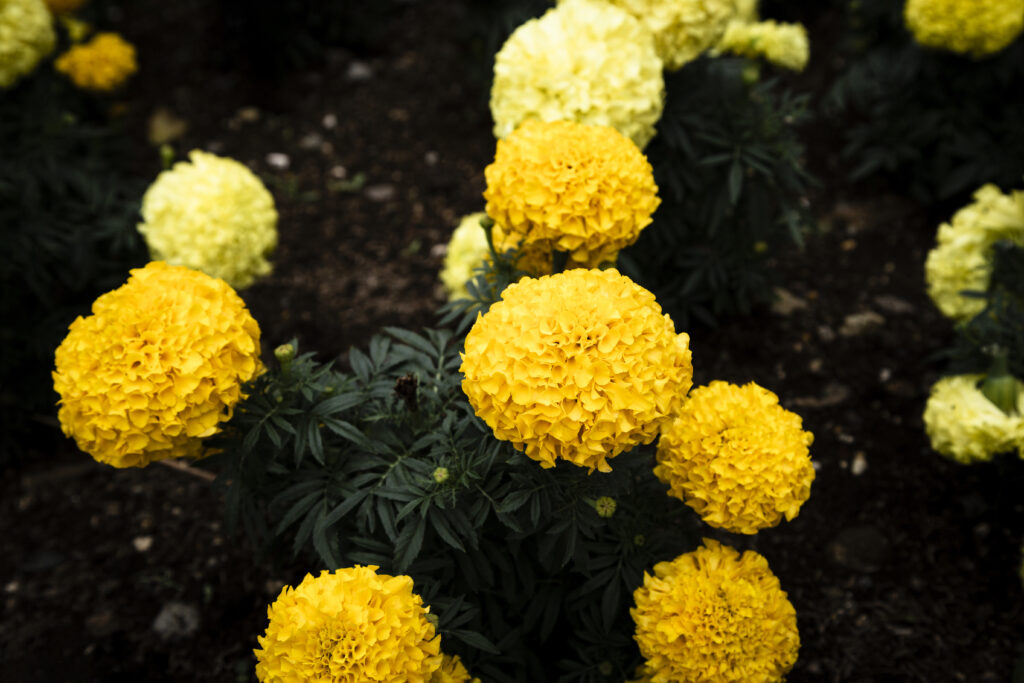
Marigold (Genda): A splash of sunshine that’s easy to grow from seed. Bees love their open faces, and they help keep some pests away.
Tip: Mix at least one shrub, one vine, and one herb to keep pollinators visiting all year.
The Showstoppers (Unique & Stunning Flowers)
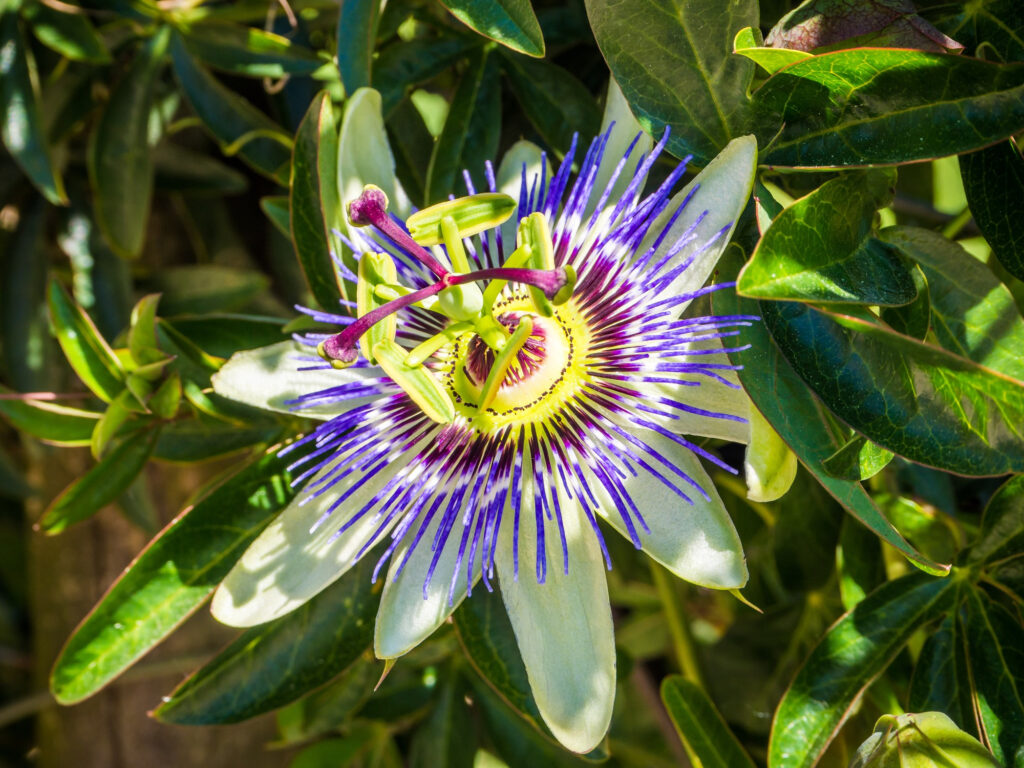
Passion Flower (Krishna Kamal): One of nature’s most intricate and mind-blowing designs a guaranteed conversation starter. This vine is also a host plant for several butterfly species, making it a star player. It needs full sun and a strong trellis to shine.
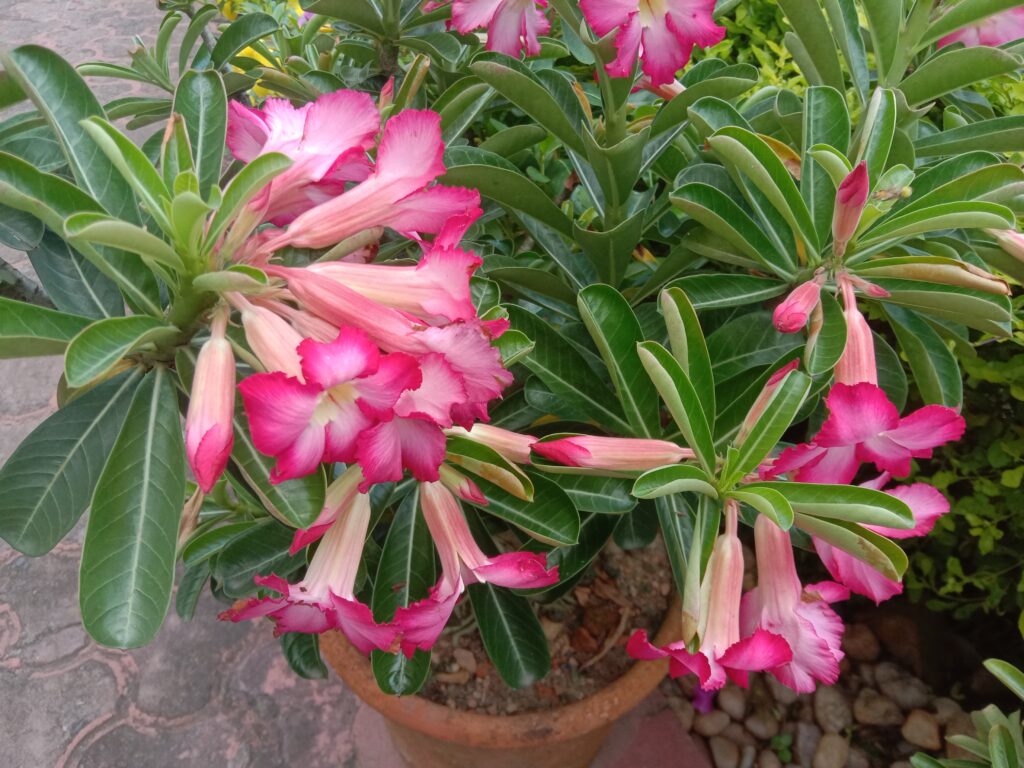
Desert Rose (Adenium): Looks like a living sculpture with its thick, bonsai-like stem and gorgeous trumpet-shaped flowers. Loves the sun and thrives on a bit of neglect just don’t overwater.
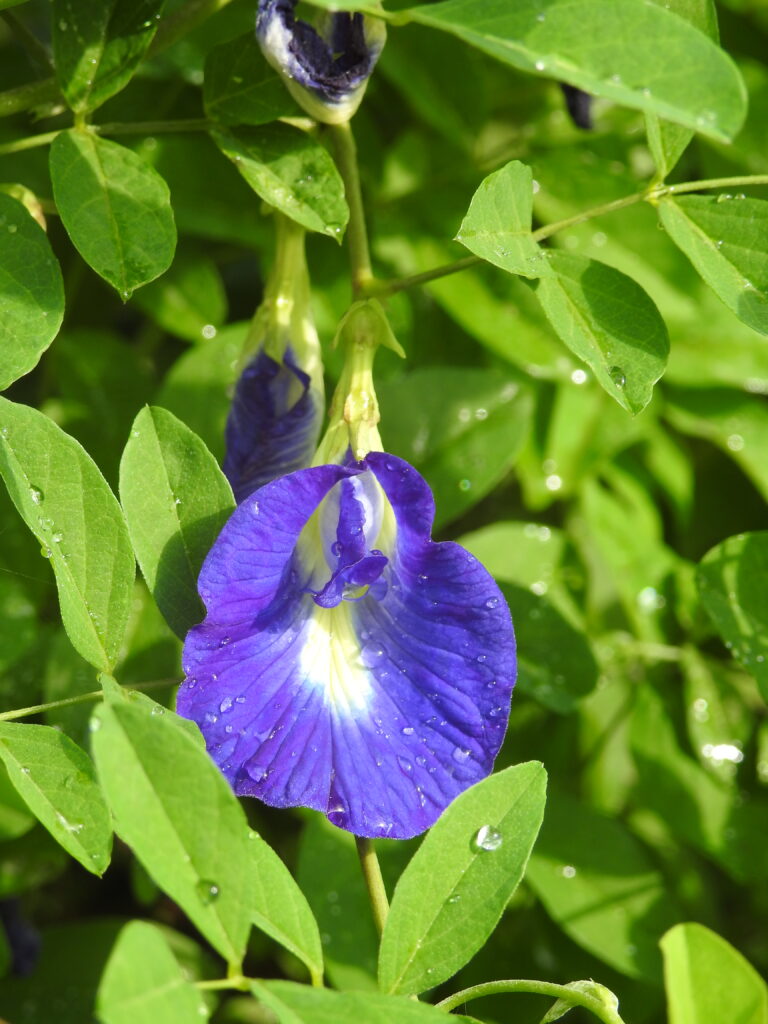
Butterfly Pea (Shankhpushpi): A fast-growing vine with deep-blue flowers. Beautiful, pollinator-friendly, and edible perfect for magical colour-changing blue tea.
The Multi-Taskers (Beauty with a Bonus)
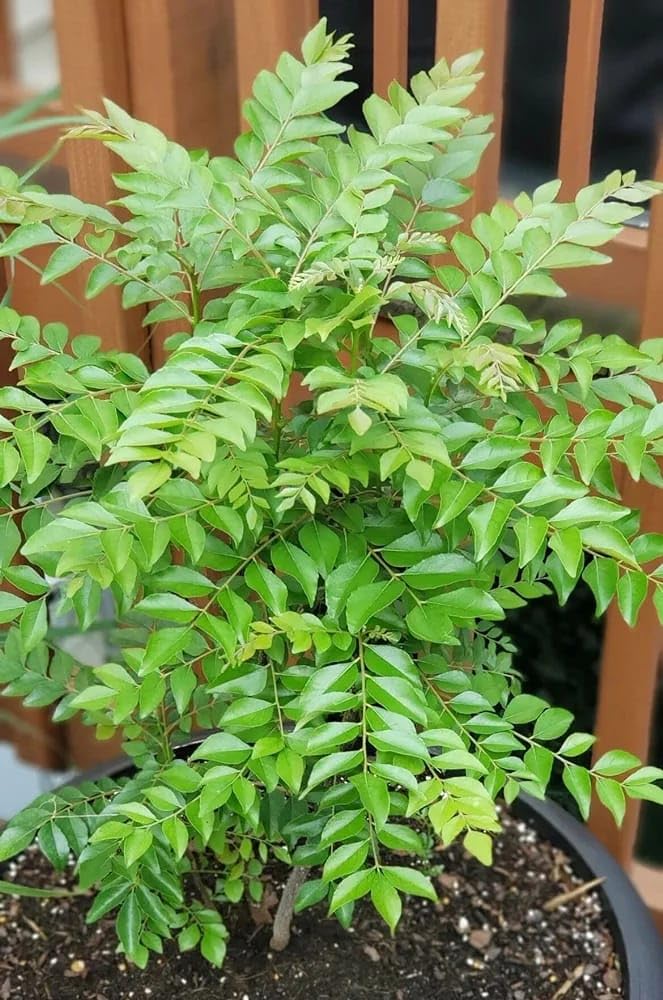
Curry Leaf (Kadi Patta): A must-have for any Indian home. The flowers attract bees, and the leaves feed the caterpillars of the Common Mormon butterfly. If you see leaves getting munched, celebrate you’re running a butterfly nursery.
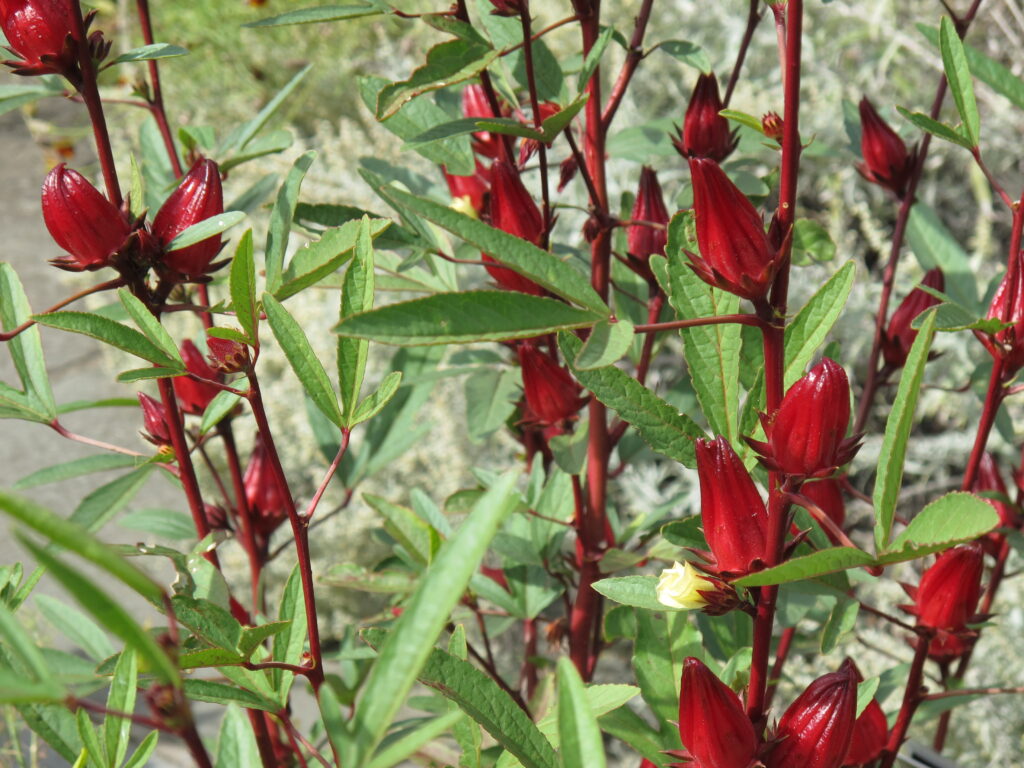
Roselle (Ambadi): Not your typical hibiscus. You grow it for its beautiful red calyces (for teas and jams) and tangy leaves used in traditional cooking both ornamental and edible.
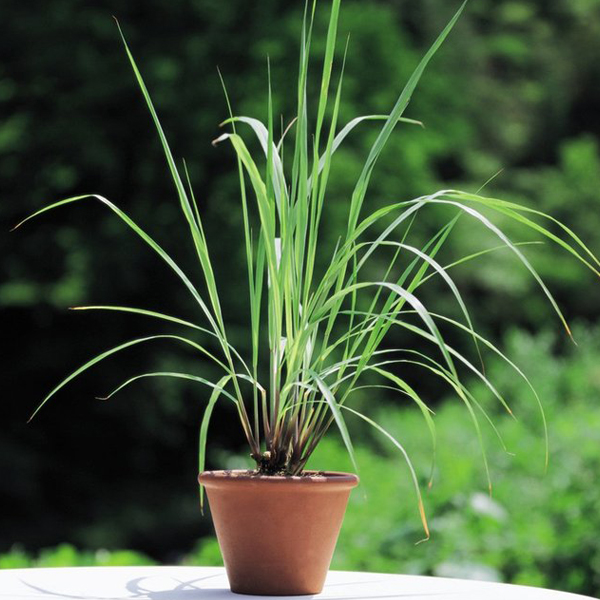
Lemongrass: A true hero. Gives you fresh stalks for tea, adds a lovely grassy texture, and its citrusy scent naturally repels mosquitoes. Low-maintenance and loves the heat.
Bonus Tip: Add a few pots of Coleus for colourful foliage. It keeps your garden lively even between bloom cycles.
More Than Flowers: Providing Water and Shelter for Pollinators
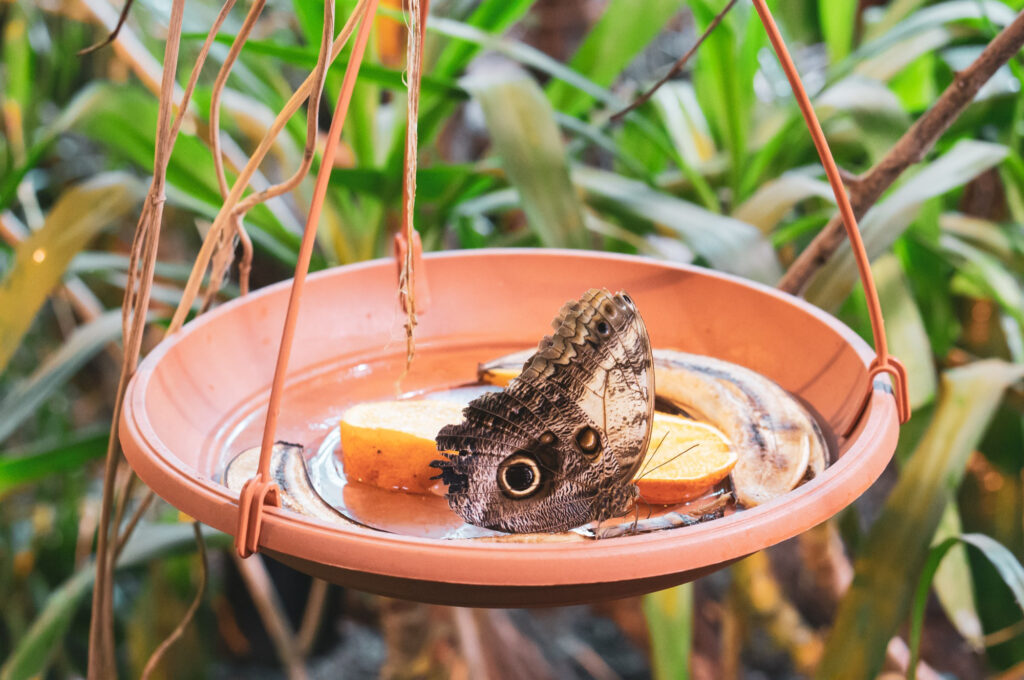
To make your guests feel truly welcome, they need a place to refresh and rest.
The Water Station: Take a shallow terracotta dish, place a few pebbles inside, and fill it with fresh water. The pebbles give bees and butterflies a safe place to land so they don’t drown.
A Place to Rest: Leave a few hollow bamboo sticks bundled in a dry corner, or place a small piece of untreated wood among your plants. These make safe nesting spots for solitary bees.
Troubleshooting Your Pollinator-Friendly Garden

If your balcony isn’t buzzing overnight, don’t worry.
You Need More Variety: A single pot is a snack; a collection of flowers is a feast. Aim for at least three or four plant types.
Give It Time: It may take a few weeks for the local wildlife to find you. In my garden, bees appeared after three weeks, and the first sunbird after a month. Be patient your “Open” sign is up!
Be Their Protector: Never use chemical pesticides or insecticides even small amounts can be fatal. Always source plants from reputable nurseries that avoid systemic chemicals.
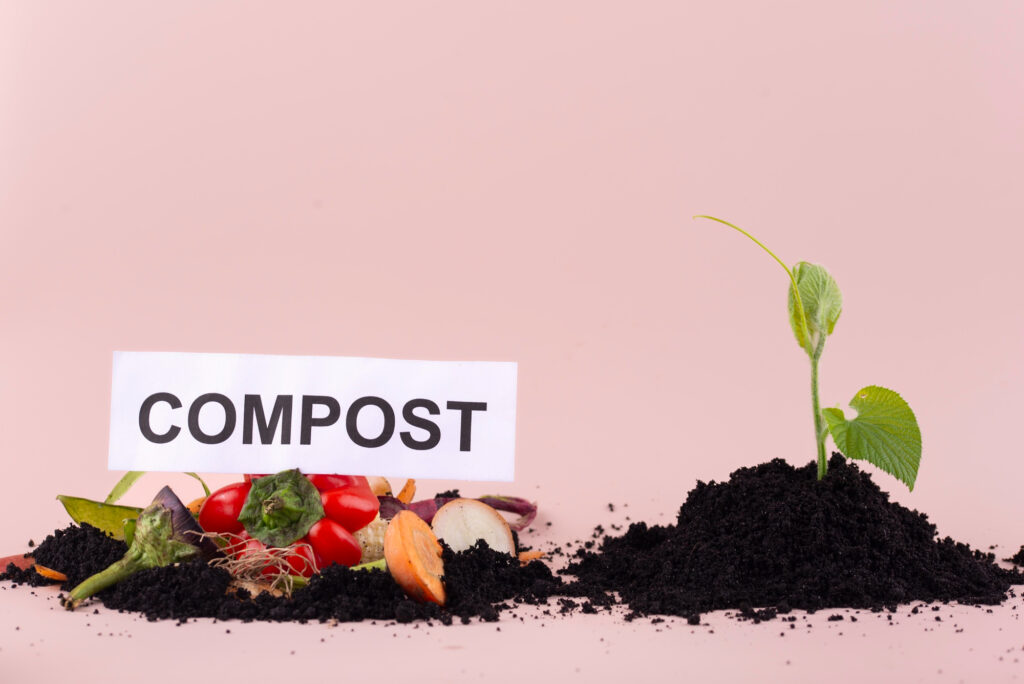
Eco Tip: Organic compost and neem-oil sprays are your safest allies in a pollinator-friendly garden.
Your Garden is Now a Conversation
Turning your balcony into a pollinator-friendly garden does more than just make it pretty. It changes your relationship with your home. Your garden stops being a static collection of plants and becomes a living conversation. You’re not just a gardener anymore; you’re an ecosystem builder. You start noticing how a bee hovers differently on a Marigold than on an Ixora, or how a butterfly returns to the same bloom every morning. Each tiny visitor becomes part of a rhythm one that reconnects you to nature’s pace. At Organic Kokan, we believe every balcony can become a sanctuary for you and the pollinators.
What’s Your Pollinator Dream?
What would you be most excited to see in your garden?
A) A dazzling sunbird
B) A garden buzzing with happy bees
C) A beautiful, colourful butterfly
D) Honestly, all of the above.
Share your own pollinator-friendly garden stories in the comments.


Pingback: Modern Home Gardening Tech: A Beginner's Guide | Organic Kokan