Let’s get real for a second. The weather of the past year has been a rollercoaster. Here in Mumbai, we went from a ridiculously heavy monsoon to a September that felt as dry as a desert. I peered out into my little garden, and it felt like a report card. My posh British roses, that love water? Drooping and dramatic. My hardy little periwinkle and ixora were happy, buzzing with bees and almost chortling at the heat. That was my wake-up call. Why are we using our energy, time and resources to adapt to our climate when we could work with it? In 2025, the smartest (and frankly the prettiest) gardens don’t have anything to do with growing the most exotic plants. It’s about selecting plants that belong. Native, climate-resilient plants that save you water, work, and a headache, all while supporting a thriving local ecosystem.
Why Bother with Native and Climate-Resilient Plants?
I understand. It’s hard not to purchase something that comes from the nursery in a pretty pot. But think about it. Changing your mindset from “What can I keep alive?” to “What wants to live here?” is a huge shift in thinking.
- It is the easier, smarter way to garden: This is my favourite aspect. Plants that are acclimatised to your soil and climate cycles don’t require endless fussing over. They are generally pest and disease-resistant. And they don’t throw off their growth pattern if you forget to water them for a day. Less work for you, and more time to sit back and enjoy your garden.
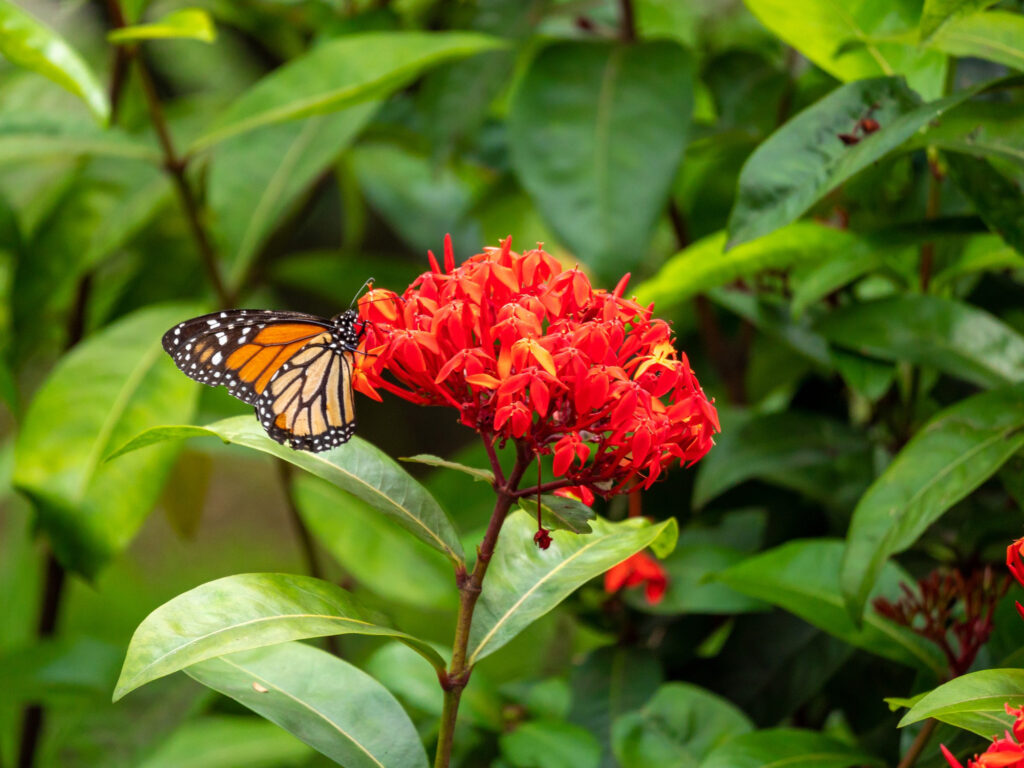
- You’re Building a Five-Star Resort for Local Wildlife: Planting native species is a way of inviting the birds, bees, and butterflies that evolved alongside them. The buzzing of bees on my curry leaf flowers is a hundred times more satisfying than a gorgeous, noiseless lawn. You aren’t planting a garden. You are restoring a small part of the local ecosystem.
- Your Water Bill Will Thank You: As water stays scarce year by year, a landscape full of thirsty, non-native plants just isn’t sustainable. Drought-tolerant plants sip water, rather than guzzle it, which saves money and is a more sustainable landscape choice.
The “It” List: Top Trending Native and Climate-Resilient Plants for 2025
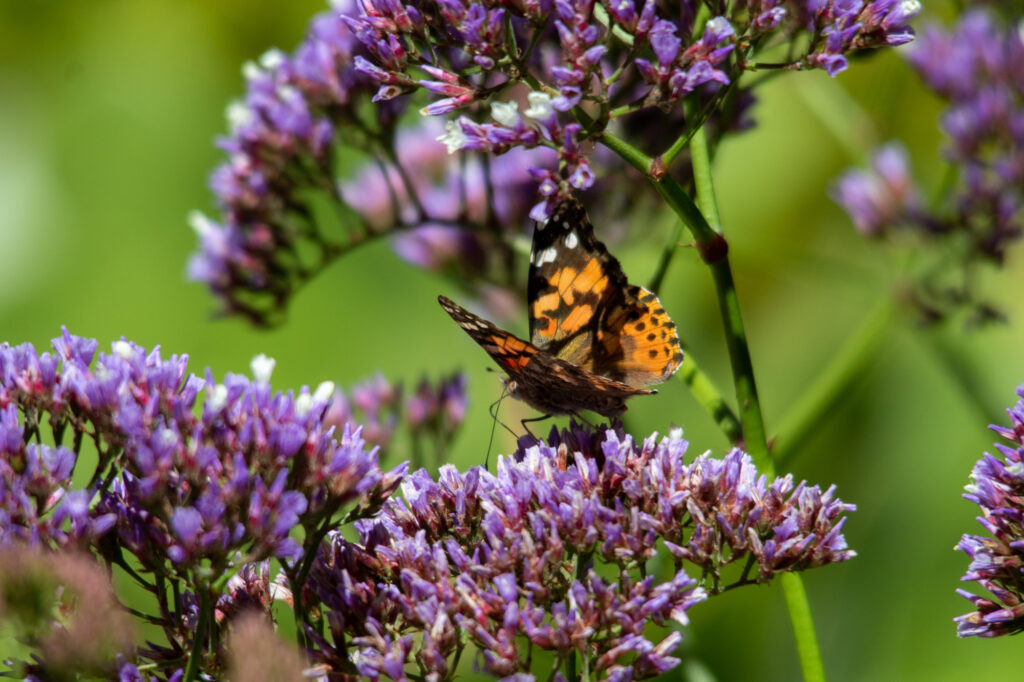
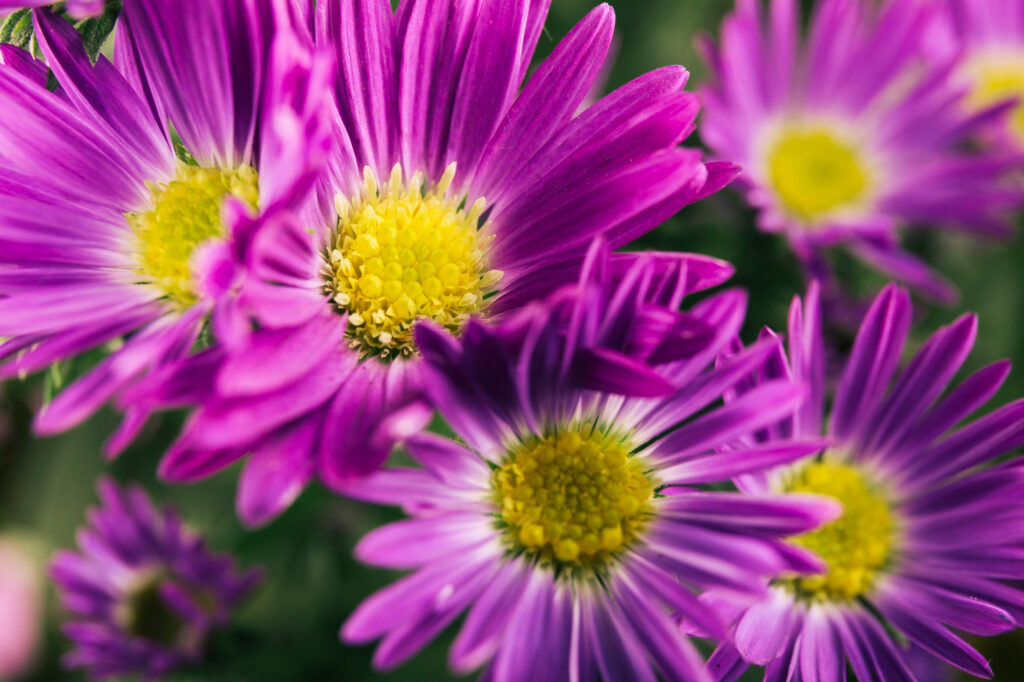
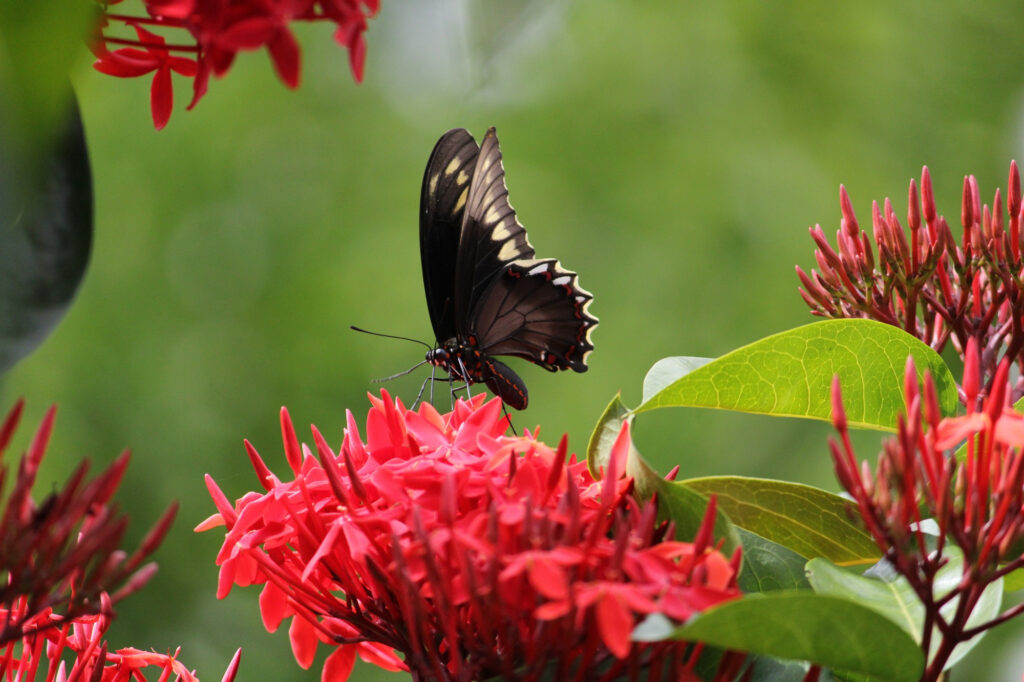
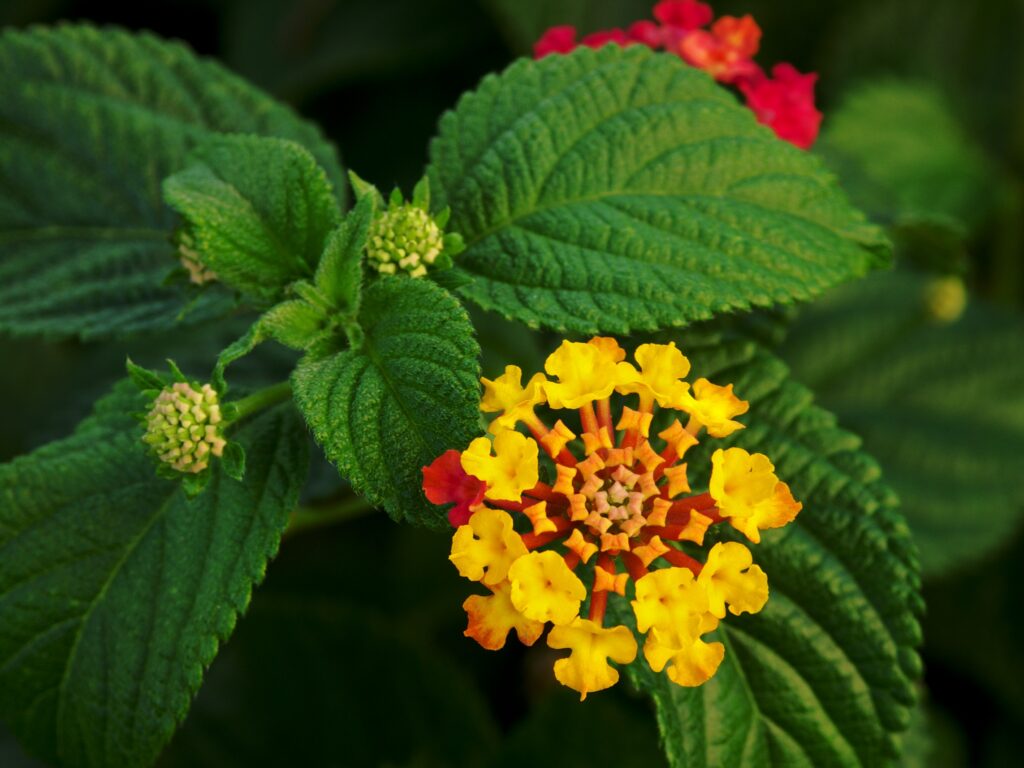


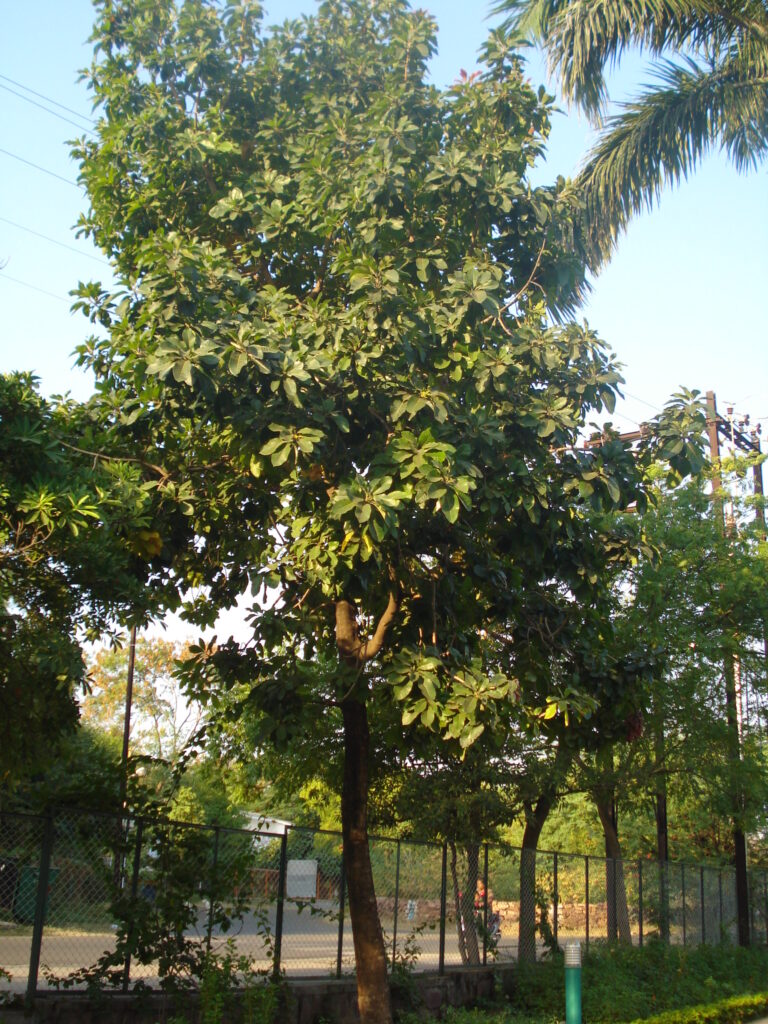
Observing global gardening patterns, a significant amount of attention is being devoted to what is being called “native” plants. While there seems to be a lot of conversation on social media channels about plants for North America, the idea is a general one: plant what is supposed to be there. These are the international stars, and more importantly, here are our wonderful equivalents from India that do the same job.
- Global Trend: Butterfly Milkweed and Purple Coneflower. Both are well-known for attracting pollinators.
Our Local Heroes: Locally, we are more fortunate! Instead of searching for these, we have our own pollinator powerhouses. Use Ixora (Rugmini) for its clusters of bright flowers that sunbirds are attracted to; or Lantana, which, while not native to India, is incredibly drought-tolerant and loved by butterflies.
- Global Trend: Eastern Redbud. A beautiful, small flowering tree.
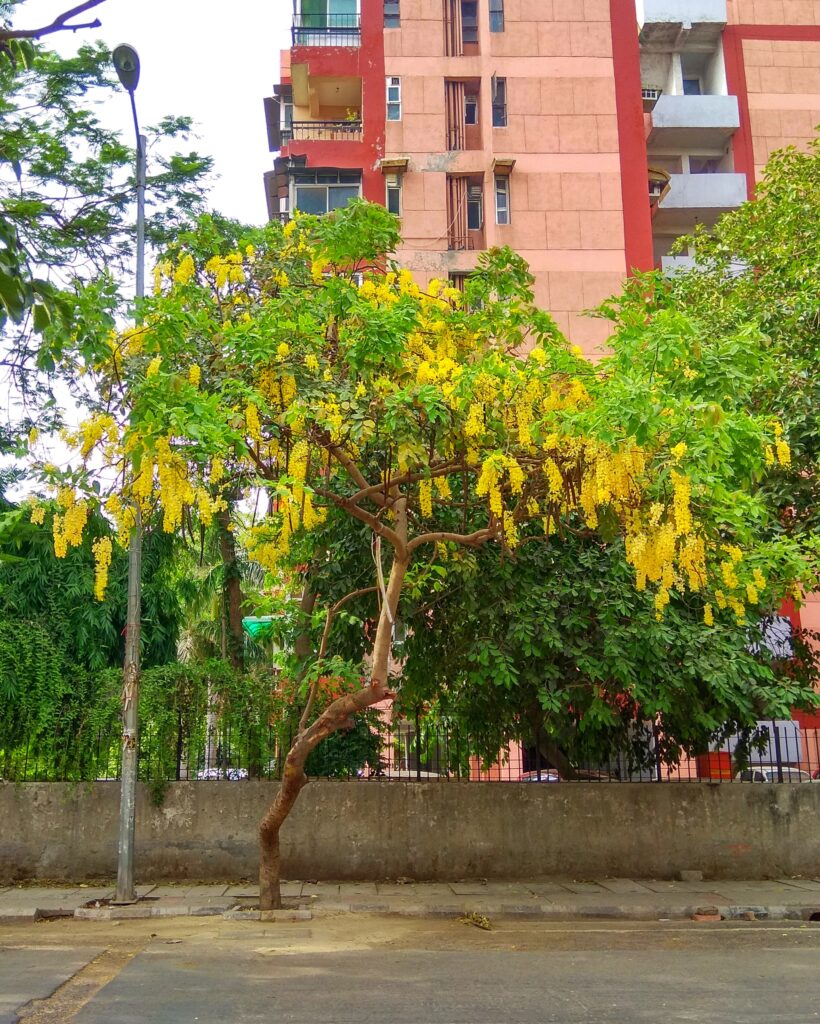
Our Local Hero: The Indian Laburnum (Amaltas). Along with Hibiscus, when this tree spills over with its magnificent cascade of yellow flowers in the summer, it is truly a show stopper. It is native, tough and perfectly suited to our climate.
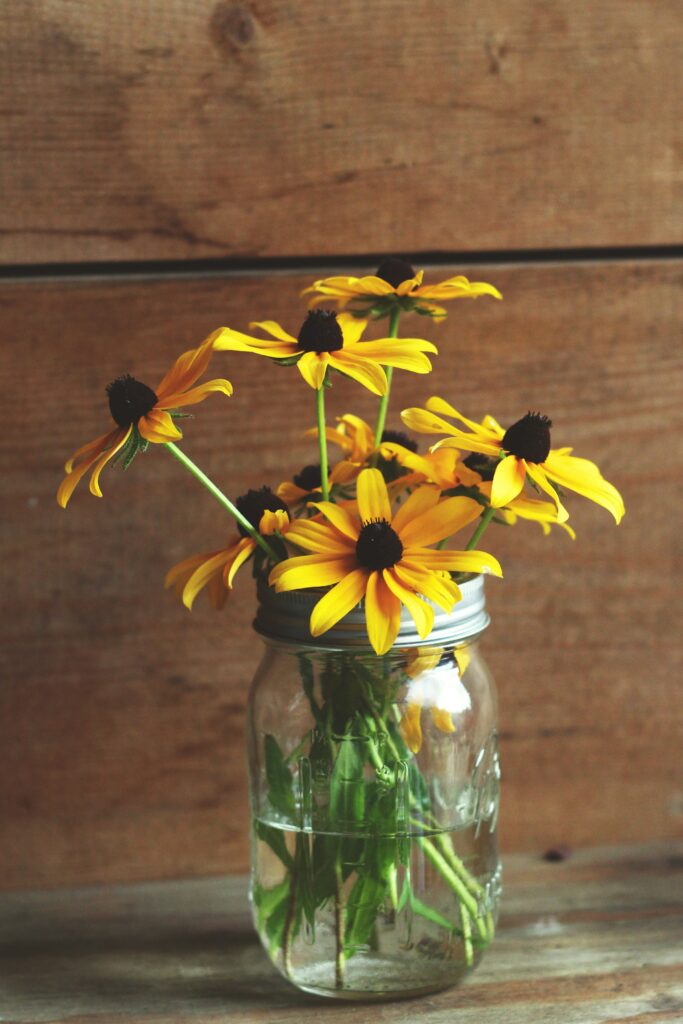
- Global Trend: Black-Eyed Susan. A bright and hardy flowering perennial.
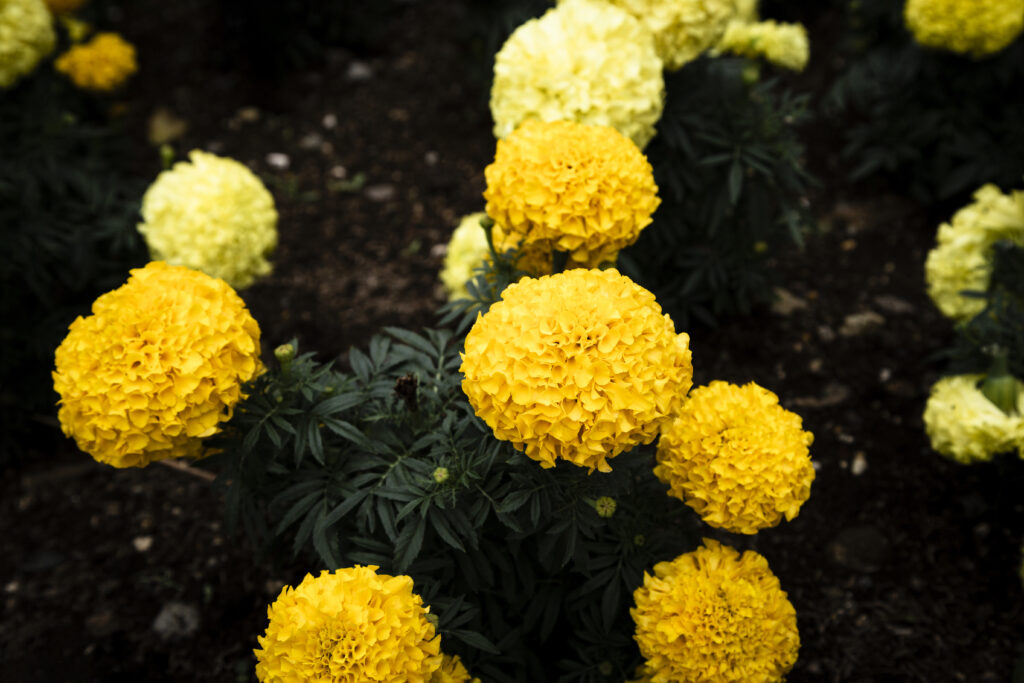
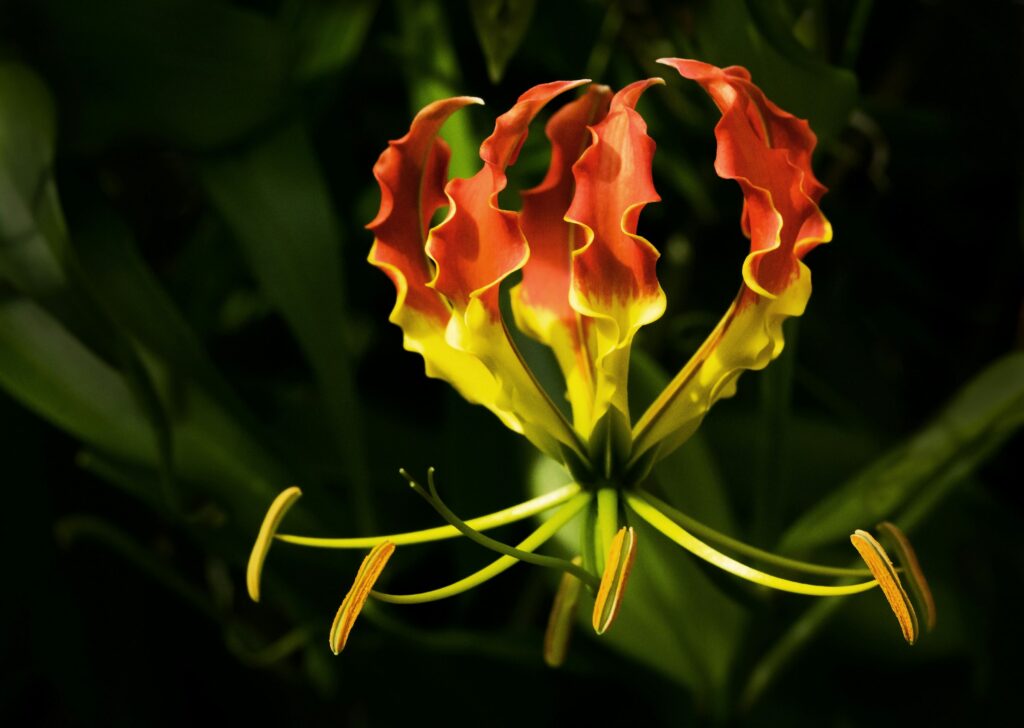
Our Local Hero: Marigolds (Genda). They are cheerful, very easy to grow, very happy in our sun, and excellent for companion planting in veggie patches to deter pests. Another wonderful option is Gloriosa Lily (Kalihari), a beautiful and unique flowering vine that is native to our area.
- Indian Star: Mahua (Madhuca longifolia). This is a true gem. A striking, mid-sized tree, which in many communities is considered sacred, its flowers are edible, and are often used to make traditional alcoholic beverages. This tree makes a statement in a larger garden and is very much rooted to our land.
- Indian Star: Kadiyam Bamboo. If you are looking for a screening or a vertical element, pass on the invasive foreign types. Kadiyam bamboo is known for its elegant profile and is a much more sustainable option for producing a green privacy screen.
The Unkillables: My Favorite Drought-Tolerant, Native and Climate-Resilient Plants
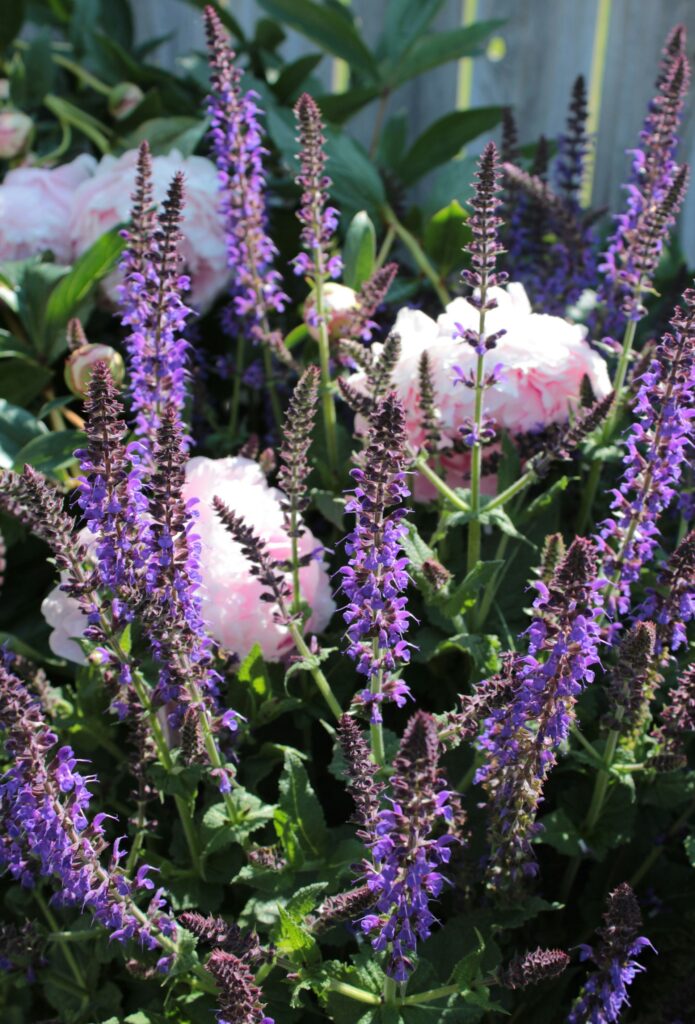
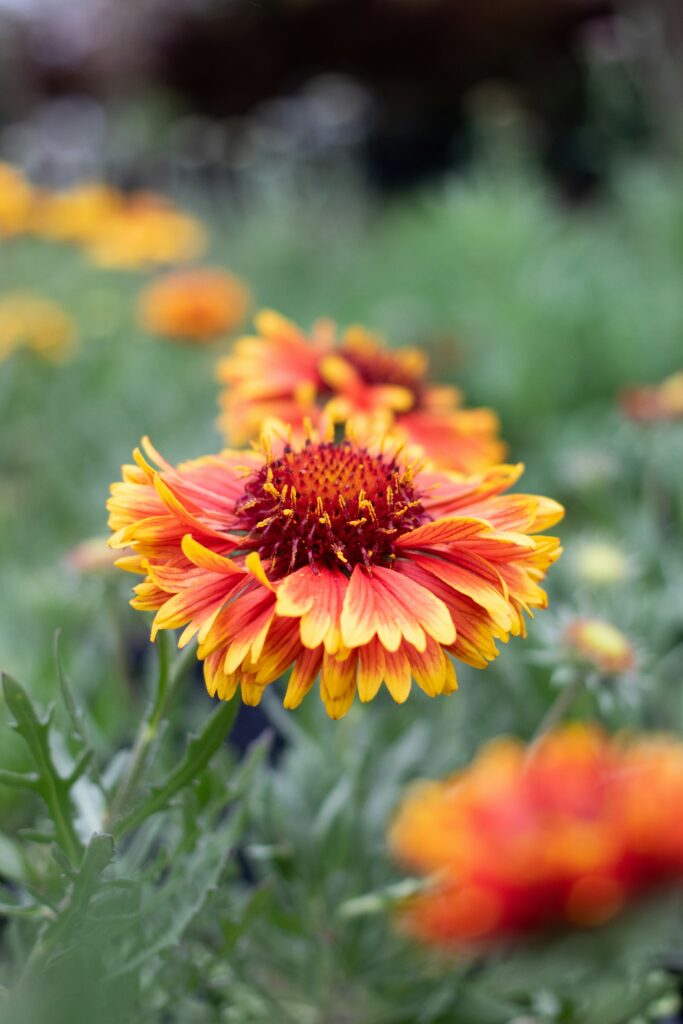

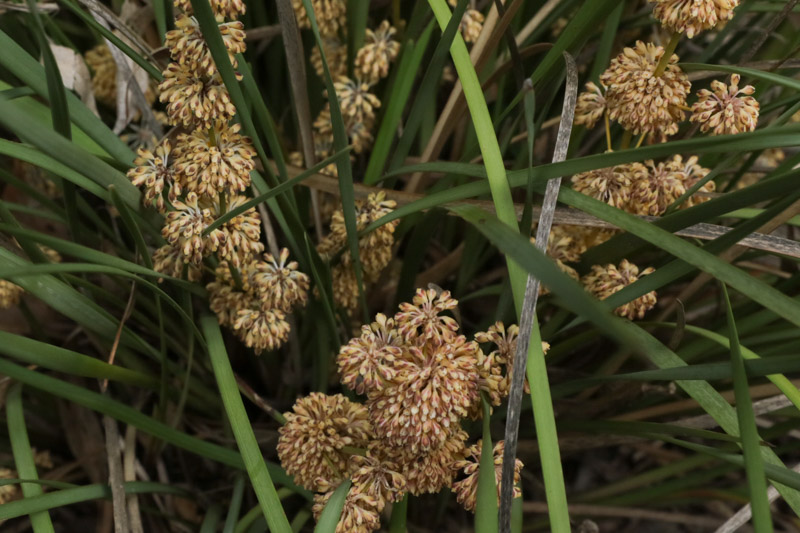

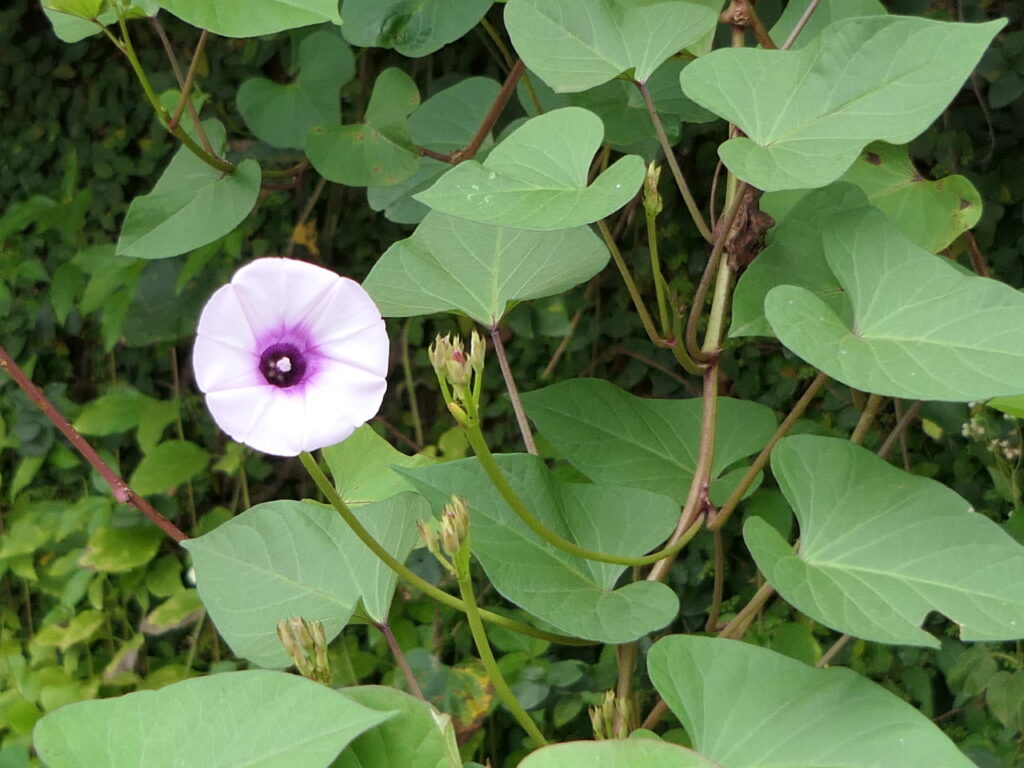
These are the plants that soldier on when everything else is struggling. They’re the backbone of a truly resilient garden.
Ornamental Champs:
- Salvia: My Salvia bushes didn’t even recognise the dry spell in September. They come in literally every colour imaginable and are absolute bee magnets.
- Blanket Flower (Gaillardia): These daisy-looking flowers are super cheerful and love neglect. The more sun they have, the happier they will be.
- Yarrow (Achillea): With its soft feathery leaves and flat-topped flowers, Yarrow adds a lovely, soft texture to the garden. It is tough as nails for heat and dry spells.
- Lomandra: This ornamental grass is bursting on the scene because it’s soft and grassy looking without the insane water needs of a traditional lawn. Great for borders.
Edible Powerhouses:
- Cowpeas (Chawli) & Beans: These are great for our climate. These types of plants fix nitrogen (they build soil for free!), grow quickly in the heat, and provide a significant tonnage.
- Sweet Potatoes (Shakarkandi): The foliage can provide thick, wonderfully lush ground cover, and then at the end of the season, you can harvest the sweet, nutritious tubers. They respond well to heat and are low-maintenance.
Putting It All Together: Design Ideas
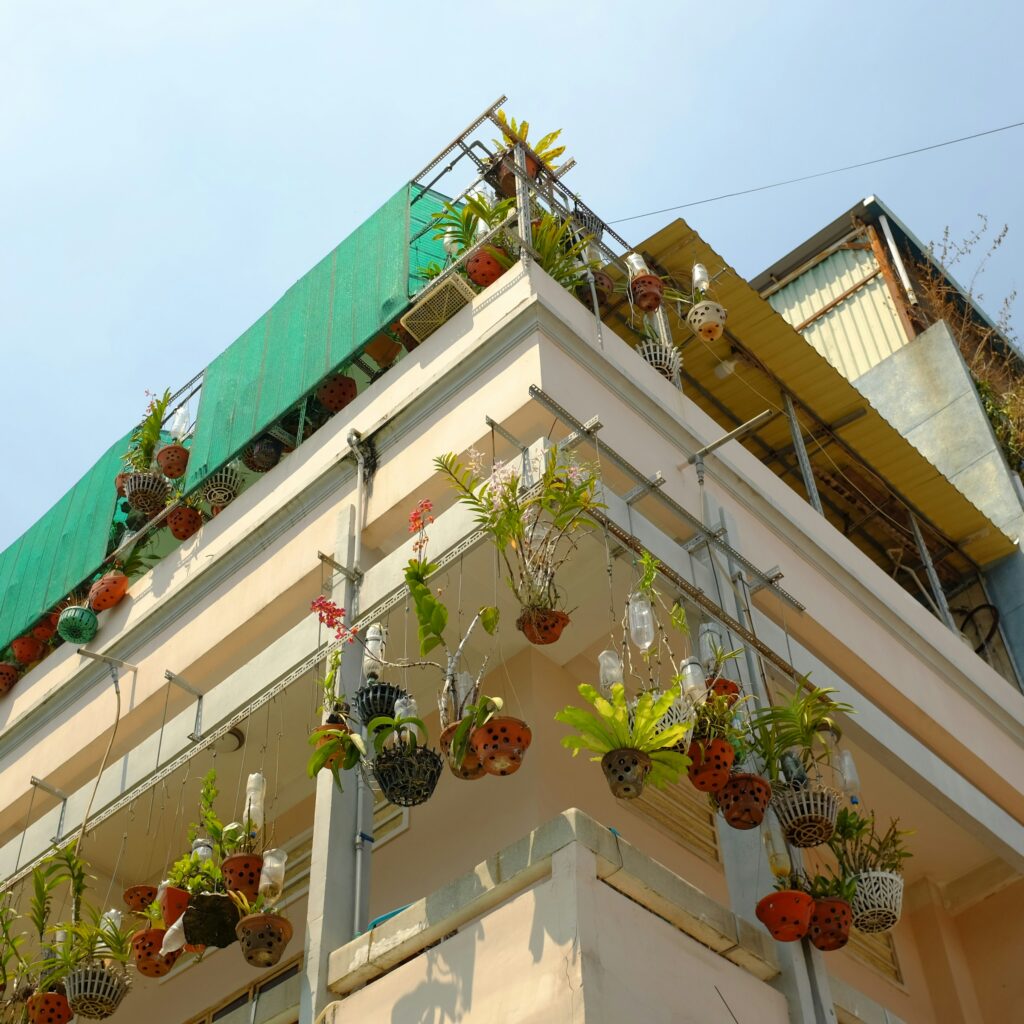
A resilient garden does not have to look like a desolate desert. It’s all about the design.
- Use Ground Covers: Use Sweet Potato vines or low-growing succulents as a living mulch groundcover to shade the soil, keeping the soil cool and moist.
- Plan in Layers: In a small urban space like a balcony, stack vertical planters stacked with herbs and trailing plants like Portulaca (loves sun, hates water), spilling over the edge of the pots.
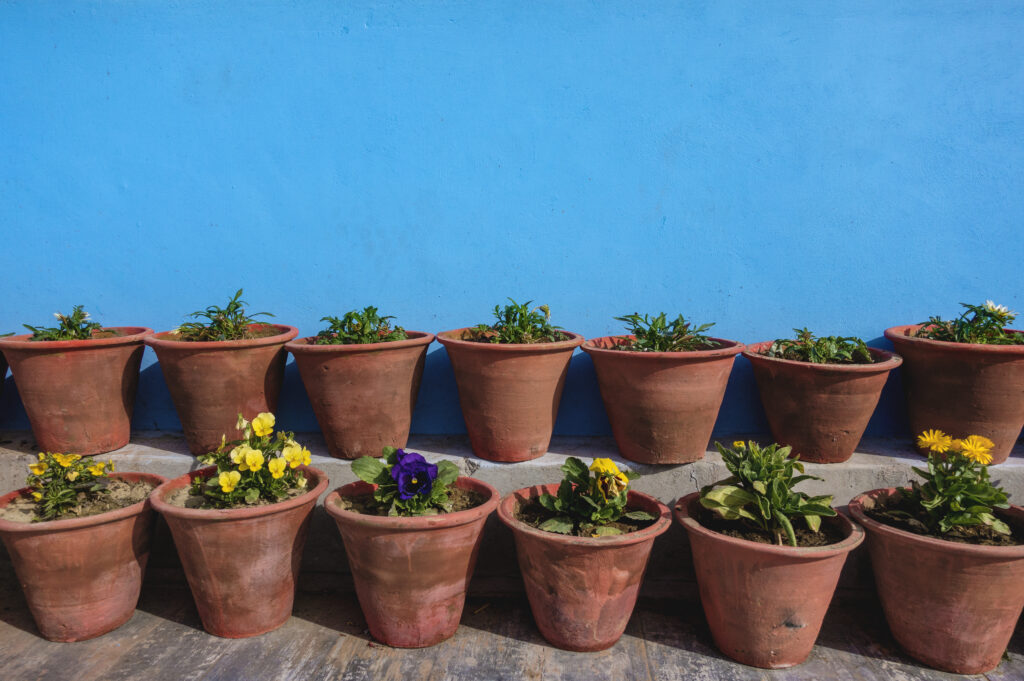
- Establish ‘zones’: Have an herb pot with a towel-dry pot and a drought-tolerant pot with succulents grouped in their pots. This is the single best trick associated with apartment gardening.
- Let it Get a Little Wild: A pollinator garden won’t be manicured. Leave a few flowers for the birds to eat seeds. Leave a pile of leaves in a corner for bugs. A little mess indicates a healthy ecosystem.
The Nitty-Gritty: Practical Tips
- Soil Preparation: In our area, the soil can be heavy clay. I always add a large amount of compost and cocopeat before planting. This helps with drainage in the monsoon and retains just enough moisture when it doesn’t rain.
- Water: Watering deeply but infrequently. This will encourage deep root systems that will develop a good plant. I like to wait until the top inch or two of soil is completely dry to water again.
- Pollinators: Plant a variety of things that bloom at different times, and create a buffet for your bees and butterflies year-round. For example, plant a Balsam that loves monsoon, alongside a Marigold that is winter blooming, and an Ixora that is summer blooming.
Conclusion: Your Garden, But Smarter
Choosing climate-resilient, native vegetation for your garden is more than a modern environmental movement; it is a method of gardening that contributes to productivity and satisfaction. It is a chance to create a garden that participates in and enriches our local reality. We will devote ourselves to beauty in our gardens, along with the degree of wildness that engages life with enjoyment, in 2025.
What about you? Let’s chat!
What’s the #1 challenge you have when choosing plants for your garden?
A) So I don’t really know what’s “native” in my area.
B) I’m not sure which plants can survive the heat of summer.
C) My plants always need so much water.
D) I just don’t have space for anything exciting.
Let me know your experiences and questions in the comments below. Let’s all grow.