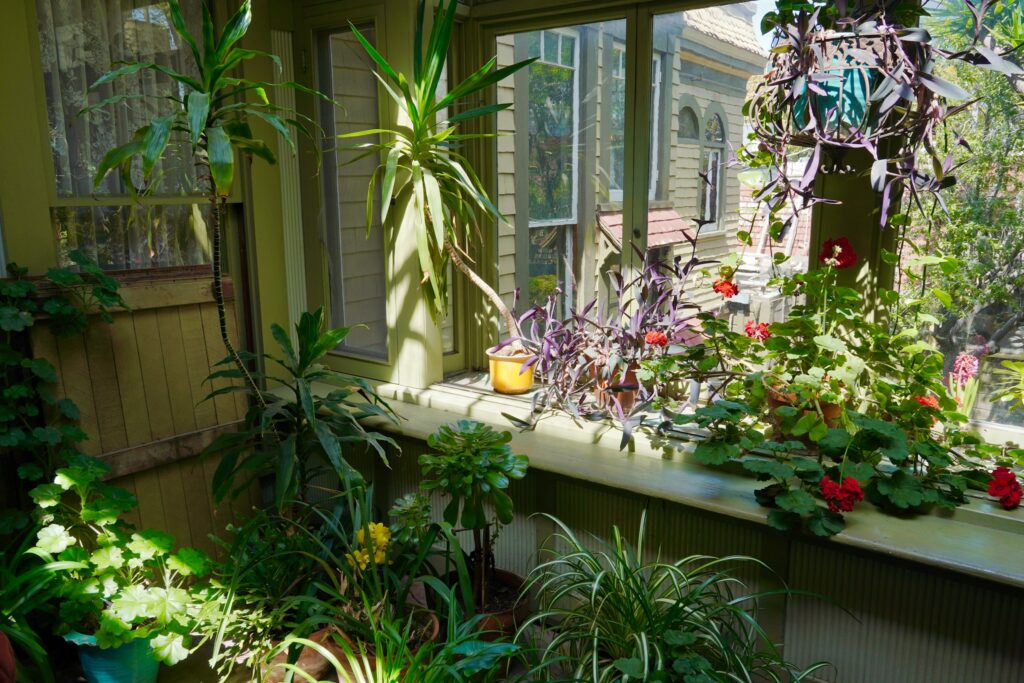
Why Gardening for Mental Health Is the Ultimate Wellness Activity
Gardening for mental health is real medicine. And it heals your mind and body.
Here’s the proof. Just 30 minutes in a garden lowers your stress hormone by 36%. So when you dig into soil, you’re growing more than plants. You’re growing peace. You’re growing purpose. And you’re growing better health. I saw this in my own garden last monsoon. After a bad week, I spent 20 minutes weeding my tulsi plants. And it calmed me more than any app ever did. My blood pressure dropped. My racing thoughts slowed. The soil became my therapist.
Now, this isn’t just a feeling. Science backs it up. Soil has bacteria called Mycobacterium vaccae. And this bacteria triggers serotonin in your brain. That’s your happy chemical. So every time you touch living earth, you’re absorbing natural mood boosters.
Urban Gardening: Nature in Small Spaces
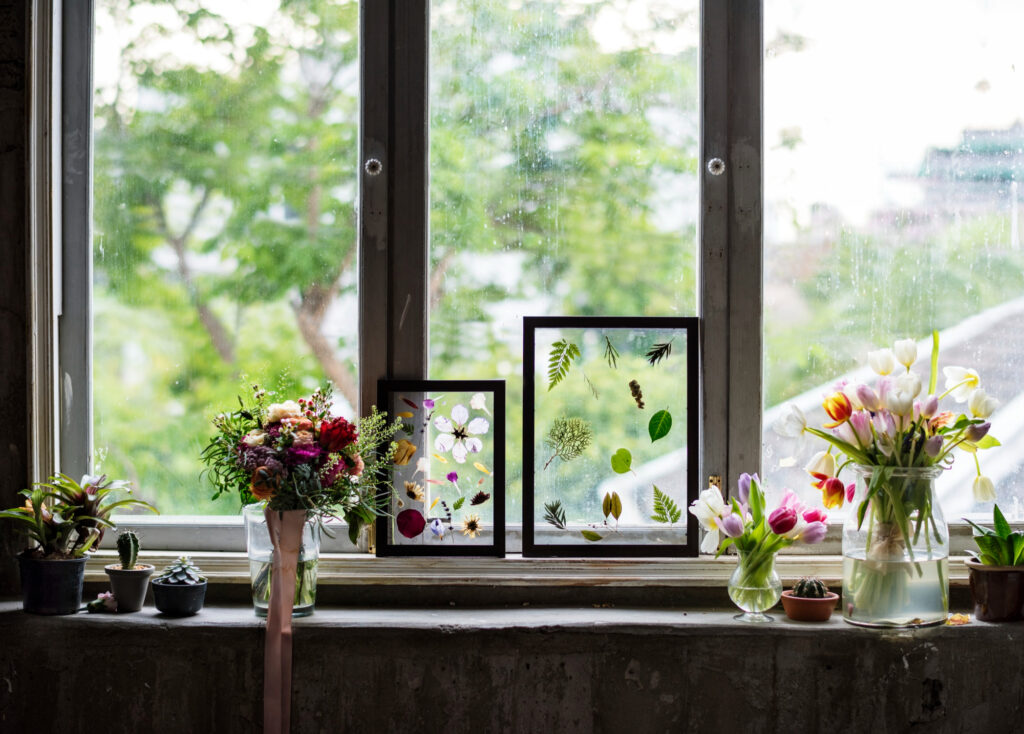
Here’s the thing. You don’t need a farmhouse. And you don’t need acres of land.
In fact, urban people are leading the 2026 wellness gardening movement. Balconies work. Rooftops work. Even windowsills work. Plus, kitchen counters work too. Now, climate patterns are shifting across India. So choose plants that handle heat waves and sudden rain. This teaches you flexibility. Your garden adapts. And you adapt too. But here’s the best part. Your garden is right there. It’s steps from your living room. So morning coffee becomes garden time. And evening wind-down happens among your plants. Nature therapy fits into your daily life.
Starting Your Wellness Garden: Three Practical Approaches
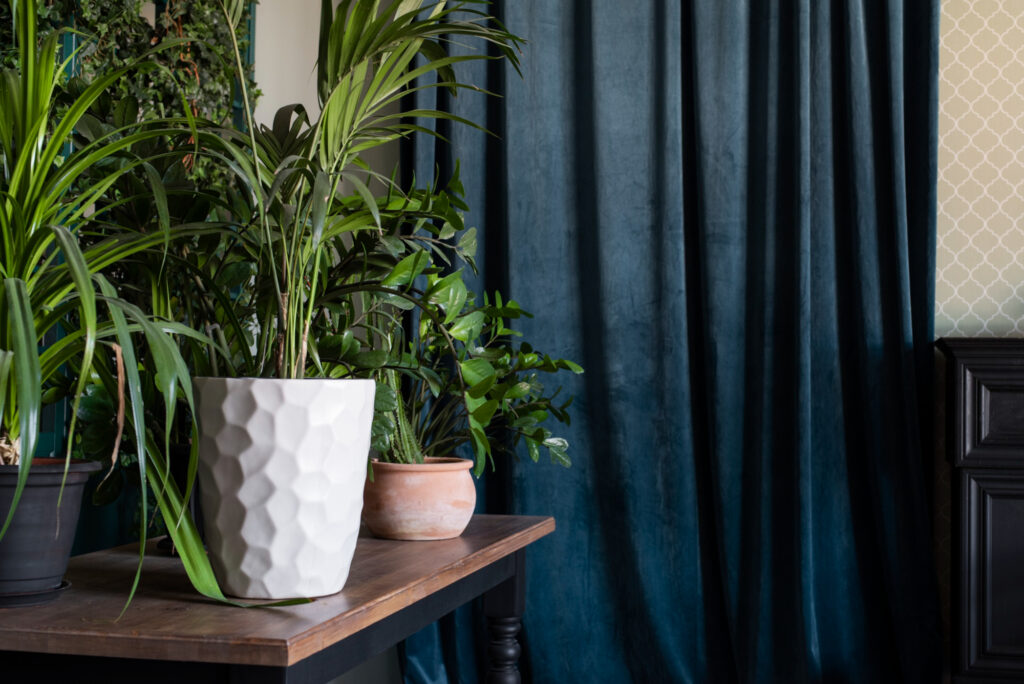
Tabletop Gardens for Apartments
A small balcony works perfectly. In fact, I’ve helped people in Mumbai, Pune, and Bangalore grow entire herb gardens. They use recycled crates. They use old containers. And it works.
What to grow: Mint, coriander, curry leaves, and holy basil. These herbs do two jobs. First, they flavour your food. Then, they release calming smells while you tend them.
Setup steps: Use containers 8 inches deep. Add drainage holes. Then mix equal parts garden soil, cocopeat, and compost. Next, add organic fertiliser. Finally, water when the top inch feels dry.
Pro Tip: Put your garden where you drink morning chai. That way, watering becomes a calm practice before your day starts.
Flower Beds That Heal
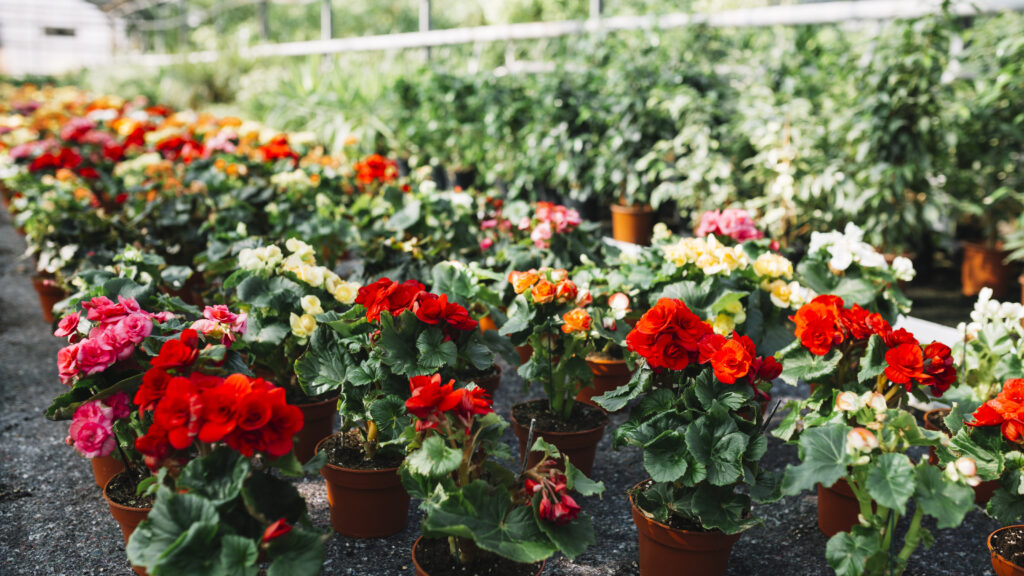
Now, flowers feed the soul differently. Their only job is beauty. And that’s enough. Last season, I planted marigolds on my terrace. The orange blooms attracted butterflies. And watching them dance among flowers became my favourite stress relief.
Best flowers for Indian weather:
- First, marigolds bloom all year. Plus, they handle heat.
- Then, zinnias give you colour explosions. They’re easy from seed.
- Also, periwinkle handles heat and shade.
- Next, mogra gives evening scent therapy.
- Finally, gerbera daisies cheer you up in pots.
Plant these in pots if you lack ground space. Add bone meal when planting. Then remove dead blooms weekly. This simple task quiets mental chatter.

Living Soil in Grow Bags
This method connects you to earth healing. So you rebuild soil, even in cities.
How to build living soil:
First, get 2-3 large grow bags. Then layer green waste like kitchen scraps. Add brown waste like dry leaves. Next, add compost tea every 15 days. This feeds soil microbes.
Simple compost tea: Mix 2 liters water, 2 cups of compost, and 1 tablespoon of jaggery. Let it sit for 24 hours. Strain it. Then dilute 1:10 before using.
In three months, your soil transforms. It becomes crumbly and dark. It smells good. And earthworms appear. This feels like magic. Because it is. You’re witnessing regeneration in real time.
The Mental Health Benefits of Gardening I’ve Witnessed

Less Anxiety Through Routine
Gardens demand gentle consistency. You can’t rush a seed, water, observe, and wait.
This slowing down reprograms anxious brains. Here’s a real example. My neighbour started a kitchen garden during lockdown. She had chronic anxiety. But after six months of daily garden time, her medication dropped. Her psychiatrist noticed before she even mentioned gardening for mental health.
Depression Relief Through Purpose
Plants depend on you. So on hard days when getting up feels impossible, your tomatoes still need water. This gives you external motivation. Now, depression often makes you feel useless. But a garden proves otherwise. Every cucumber you harvest shows your nurturing ability.
Mindfulness Without Trying
You can’t think about work emails while transplanting seedlings. Your hands in soil demand focus. The sun on your back demands presence. And delicate roots demand attention.
So this is mindfulness disguised as productivity.
Seasonal Wellness Planting Calendar for India
Monsoon (June to September): Plant leafy greens. Try amaranth, spinach, and fenugreek. Moisture helps germination. So use this season for composting. Plus, many find gardening for mental health extra therapeutic when the earth smells fresh during the monsoon.
Winter (October to February): This is perfect for beans, radish, and tomatoes. Plant flowering annuals too. Cooler temps mean less watering stress. In fact, this is the prime growing season across most of India.
Summer (March to May): Focus on heat lovers. Grow okra, bottle gourd, and chilli peppers. Also, plant perennial herbs like curry leaves. Water early morning and late evening. Now, this season teaches acceptance. Some plants will struggle. And that’s okay.
Practical Gardening for Mental Health Habits
Morning Garden Check (10 Minutes)
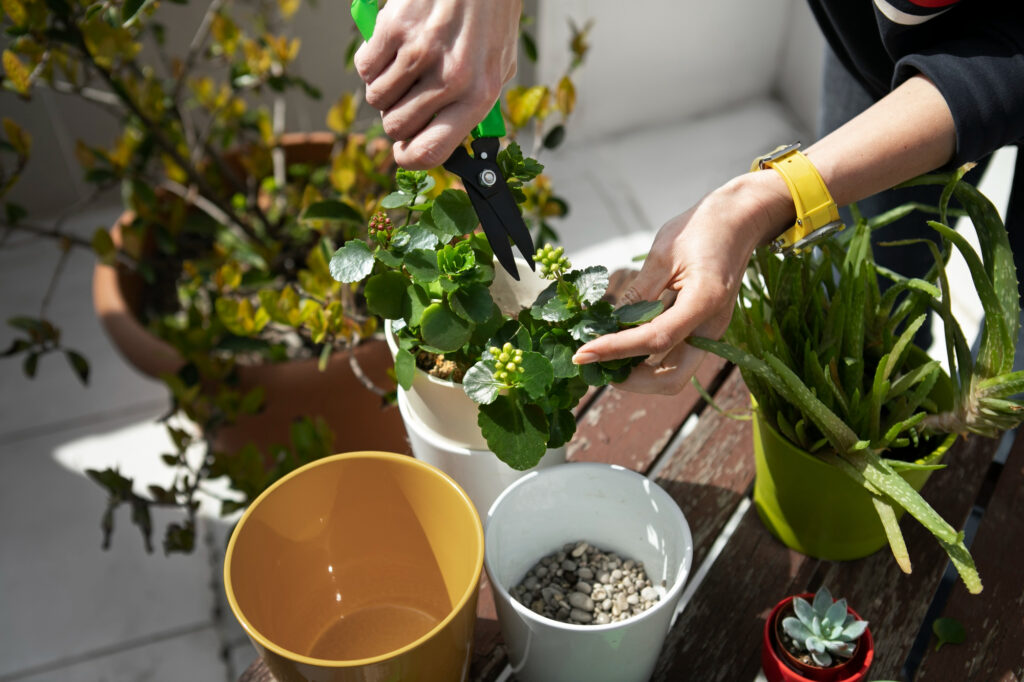
Walk your garden before breakfast. Notice new growth. Check soil moisture. And pull a few weeds. This gentle movement wakes your body better than scrolling on phones. I do this barefoot when possible. Cool morning soil grounds you. It sounds mystical. But it feels real.
Evening Harvest Ritual (15 Minutes)
Pick herbs for dinner. Smell basil leaves. And brush against mint.
The aromatherapy lifts your mood instantly. Keep scissors in your pocket. Snip flowers for your table. This way, bringing garden beauty indoors extends the wellness benefit.
Weekly Soil Care (30 Minutes)
Add compost. Apply mulch. And water with diluted compost tea.
These tasks involve repetitive movement. So this releases endorphins. Your body gets gentle exercise. And your mind focuses on simple tasks. This combination is a powerful therapy.
Urban Garden Solutions for Common Problems
“I don’t have time” Start with five plants. Two tomatoes, two chilli plants, and one tulsi. They need 10 minutes daily. Yet you spend more time choosing Netflix shows.
“I kill every plant” Good. Because failure is part of the process. My first container garden failed because I overwatered. But I learned. Each dead plant taught me something. And that reduced my fear of failure in other life areas.
“I don’t have space” A windowsill counts. Vertical gardens on walls work. And hanging baskets use unused air space. So, rethink what garden means.
“My apartment gets limited sunlight” Grow shade plants. Try money plant, snake plant, or ferns. Some herbs, like mint, tolerate low light. Plus, lettuce and spinach handle partial shade.
“My city has pollution” Plants actually help. They filter air. Just wash leaves weekly to remove dust. So your garden becomes an air purifier.
The Farm-to-Table Connection
- When you eat food you grew, something shifts.
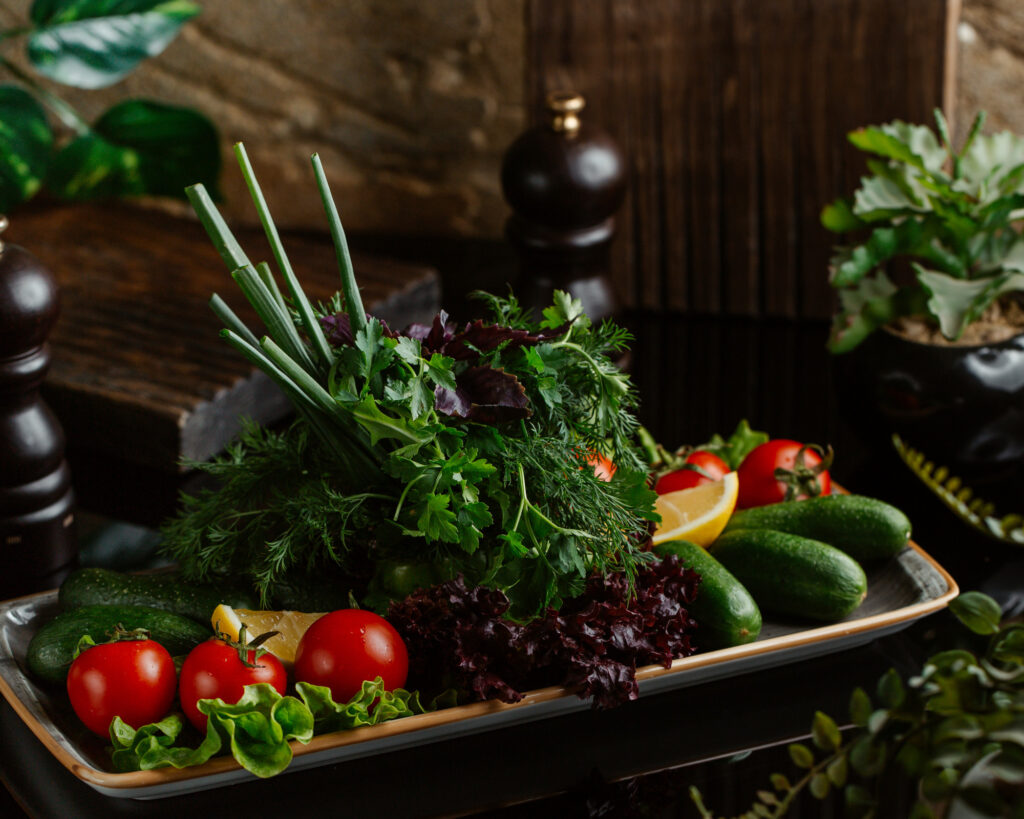
- That tomato isn’t just nutrition. It’s your effort made edible. It’s your patience made tasty. And it’s your care in physical form.
- This connection reduces anxiety about what you consume. You know exactly what went into that soil. No pesticides. No hidden chemicals. Just sunlight, water, and your attention.
- Plus, the flavour is different, too. A homegrown curry leaf releases oils that store-bought versions lost days ago. Your food tastes more alive. Because it is.
- Here’s another benefit. Studies show that people who grow even 20% of their herbs report higher life satisfaction. So nurturing something from seed to plate creates deep psychological rewards.
Building Community Through Gardening for Mental Health
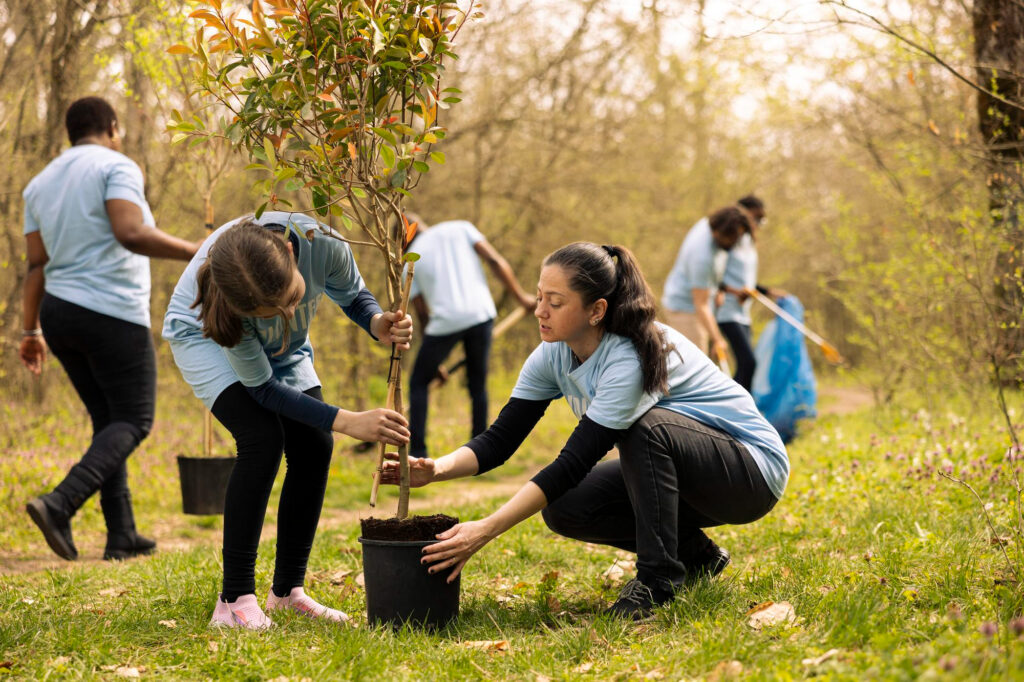
- Share your surplus. When my brinjal plants produced too much, I gave them to neighbours. Those small exchanges started conversations. And loneliness decreased.
- Consider starting a seed exchange in your building. In Bangalore, three families in one complex swap seeds every season. They built friendships around their gardens. So gardening for mental health improves even more when isolation breaks and community forms.
- Also, many cities have gardening groups on social media. Join one. Share your wins and losses. Community support amplifies the mental health benefits of gardening itself.
Container Selection for Urban Spaces
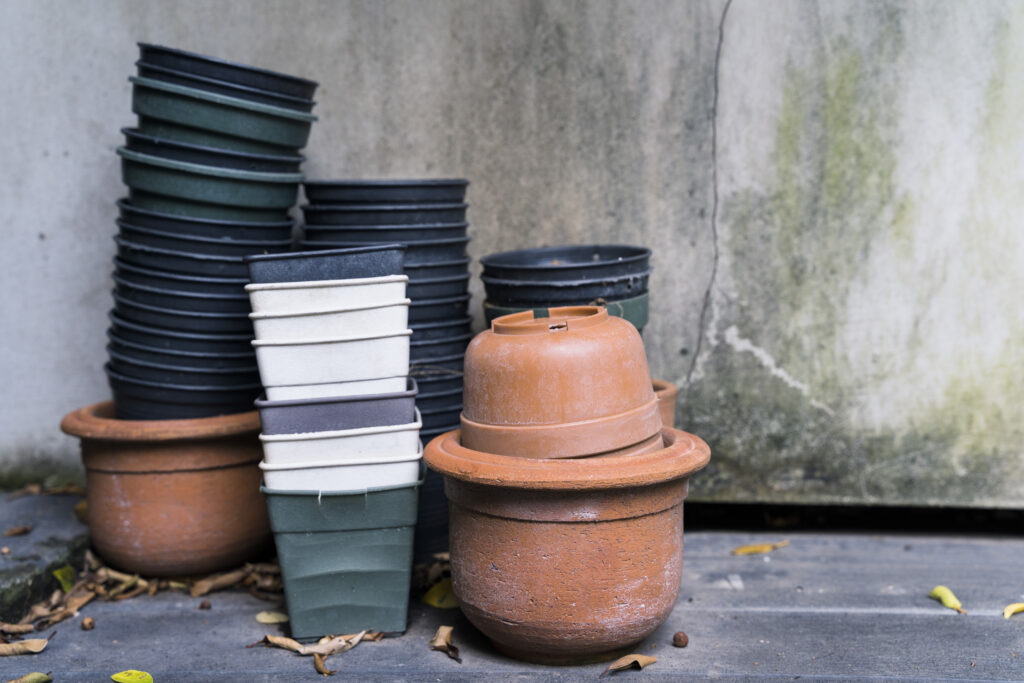
Recycled containers: Old paint buckets, wooden crates, and plastic tubs work. Just drill drainage holes. These cost nothing and reduce waste.
Grow bags: Lightweight and breathable. Perfect for renters who move often. Plus, they’re available in all sizes.
Self-watering pots: Ideal for busy professionals. They have water reserves. So this reduces daily watering needs.
Vertical planters: Wall-mounted or freestanding. They maximise space in small balconies.
Hanging baskets: Use overhead space. Perfect for trailing plants like cherry tomatoes and strawberries.
Choose based on your space and budget. There’s no wrong answer. The best container is the one you’ll actually use.
Pro-Tip: The 20-Minute Rule
Feel resistance to gardening today? Then commit to just 20 minutes. Set a timer.
Usually, you’ll continue beyond it. But if you stop at 20 minutes, that’s enough. This removes pressure. So the garden becomes an invitation, not an obligation. Gardening for mental health should never feel like punishment.
Your Wellness Garden Starts Today
You don’t need perfect conditions. You need one seed and the willingness to try. Start with one plant that excites you. Maybe fragrant mogra for evening relaxation. Or maybe cherry tomatoes because you love their taste. Pick what brings you joy. Not what you think you should grow. Here’s the thing. Indian growing conditions offer multiple planting seasons. So you can start any month with the right plant choice. Stop waiting for the perfect time. Because the perfect time is now.
Join our Organic Kokan community for urban gardening tips. Your journey toward a calmer, healthier life through gardening starts with one seed in good soil.