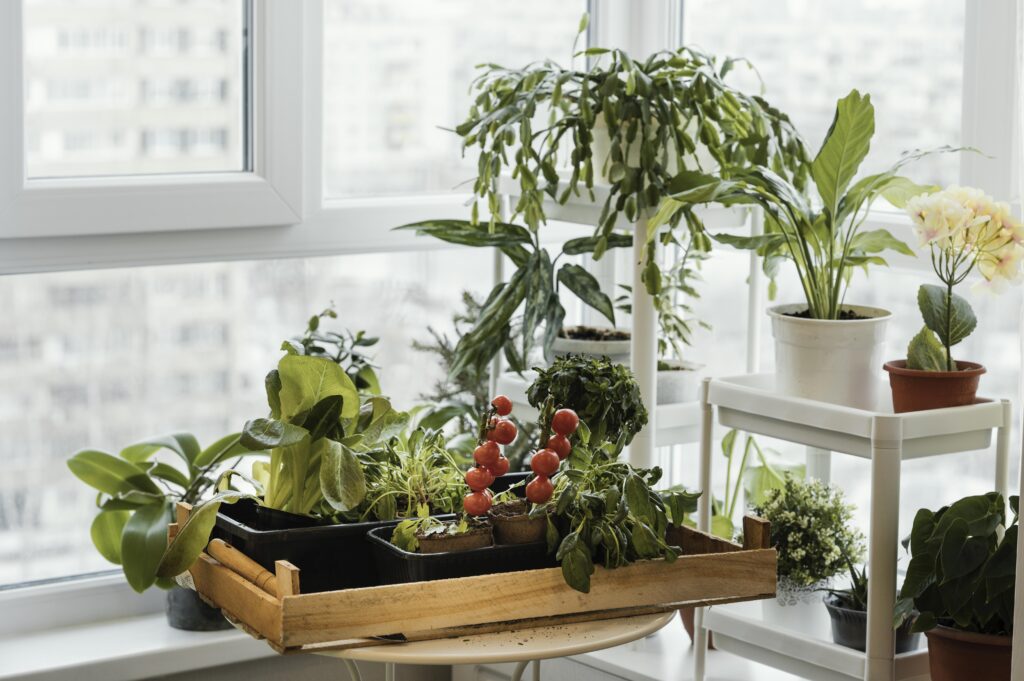
You don’t need a farm to eat like a farmer; all you need to know is how to manage an organic kitchen garden in a small space. In 2026, we are witnessing a significant shift in how urban India perceives food. With the rising cost of “premium” store-bought vegetables and a growing distrust of chemical-heavy farming, the trend has moved toward self-reliance. At our farm in the Konkan, we believe that the highest quality produce shouldn’t be a luxury; it should be a standard.
Whether you have a sprawling terrace or a tiny balcony in a high-rise, starting an organic kitchen garden is the most effective way to take control of your family’s health. It’s no longer just a hobby; it’s a lifestyle shift. It’s a way to reclaim your health. Here is exactly how we do it at the farm, and how you can do it in your flat.
The Real Reason Your Organic Kitchen Garden Plants Keep Dying
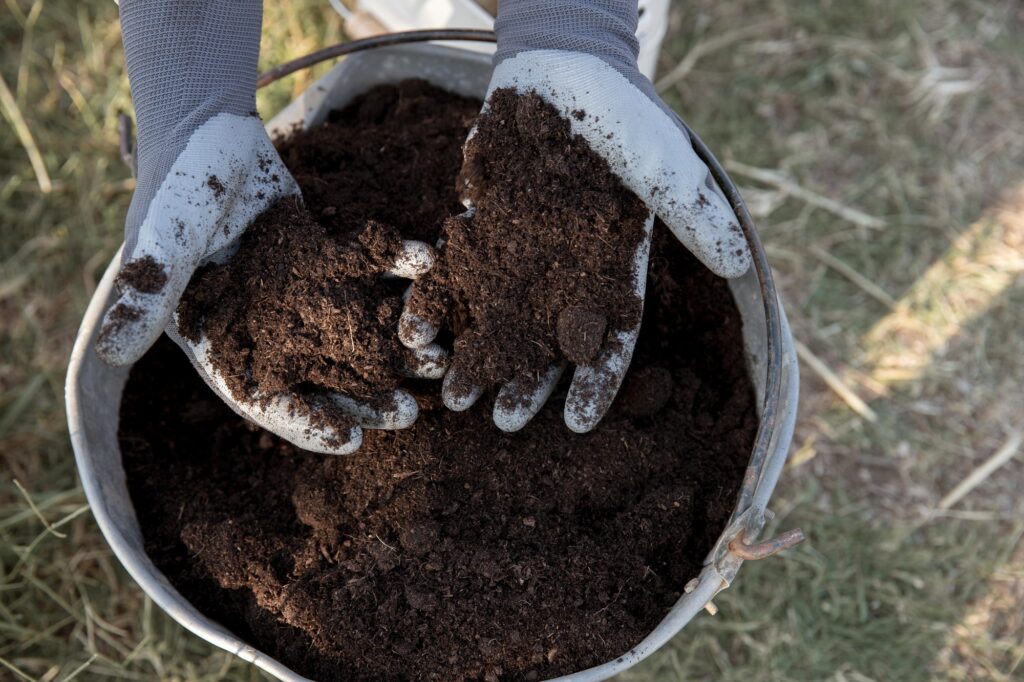
Most people start an organic kitchen garden by going to a local nursery, buying a pretty plant, and a bag of “red soil.” Two weeks later, the plant is dead, and the soil is as hard as a brick. Here is the farmer’s truth: Most nursery soil is terrible for pots. It’s heavy, it compacts, and it chokes the roots. At our farm, we don’t look at the plant first; we look at the soil.
The “Farmer’s Mix” for Urban Pots: To succeed, you need a medium that breathes. If you’re building an organic kitchen garden, throw away the heavy mud. Instead, mix your own:
- 4 Parts Cocopeat: This keeps the roots cool and holds water, so you don’t have to water three times a day.
- 4 Parts Aged Compost: If you can get vermicompost (earthworm poop), use it. It’s the engine of your garden.
- 2 Parts Grit or Sand: This allows the extra water to drain out. If water sits at the bottom, your roots will rot in the humidity of the Indian monsoon.
Picking Your “Bulletproof” Plants for an Organic Kitchen Garden
In 2026, everyone wants to grow exotic kale or Italian basil. My advice? Don’t start there. You want “wins” early on to keep you motivated. For a successful organic kitchen garden in India, start with the plants that survive in our hot climate.
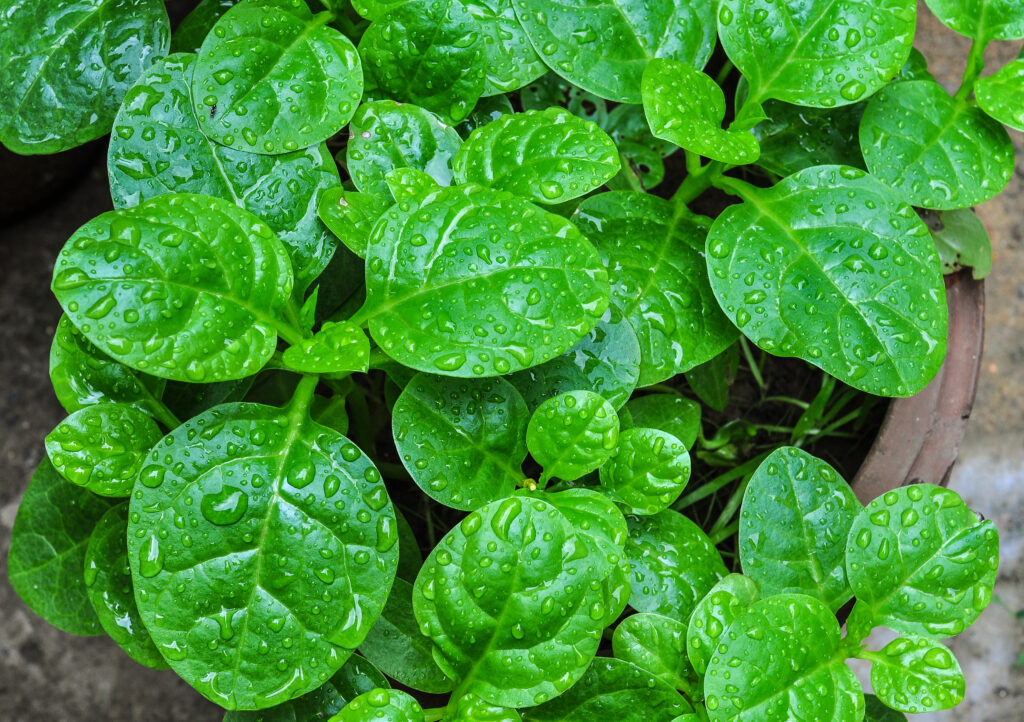
- Mayalu (Malabar Spinach)
This is my top recommendation for any urban organic kitchen garden. It is a native Konkan climber. It has thick, juicy leaves that are far more nutritious than regular spinach. It loves the heat, it loves the rain, and it grows upwards. One plant on a window grill can give you a harvest every week.
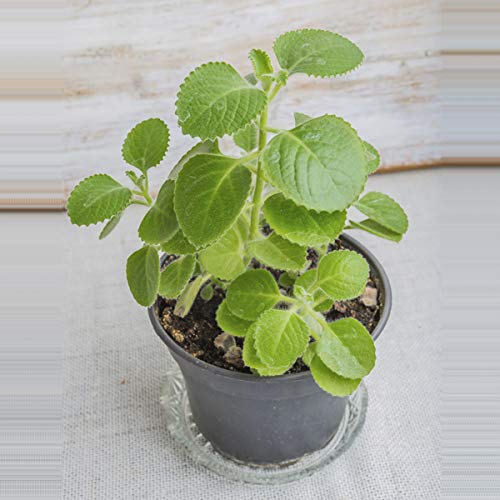
- The Ajwain Leaf (Indian Borage)
If you are a “black thumb” (someone who kills everything), buy this plant. It’s a succulent, which means it stores water in its leaves. It’s fantastic for indigestion. Pluck a leaf and eat it raw. It’s the ultimate “starter” plant for an organic kitchen garden.
- Microgreens: The 10-Day Shortcut
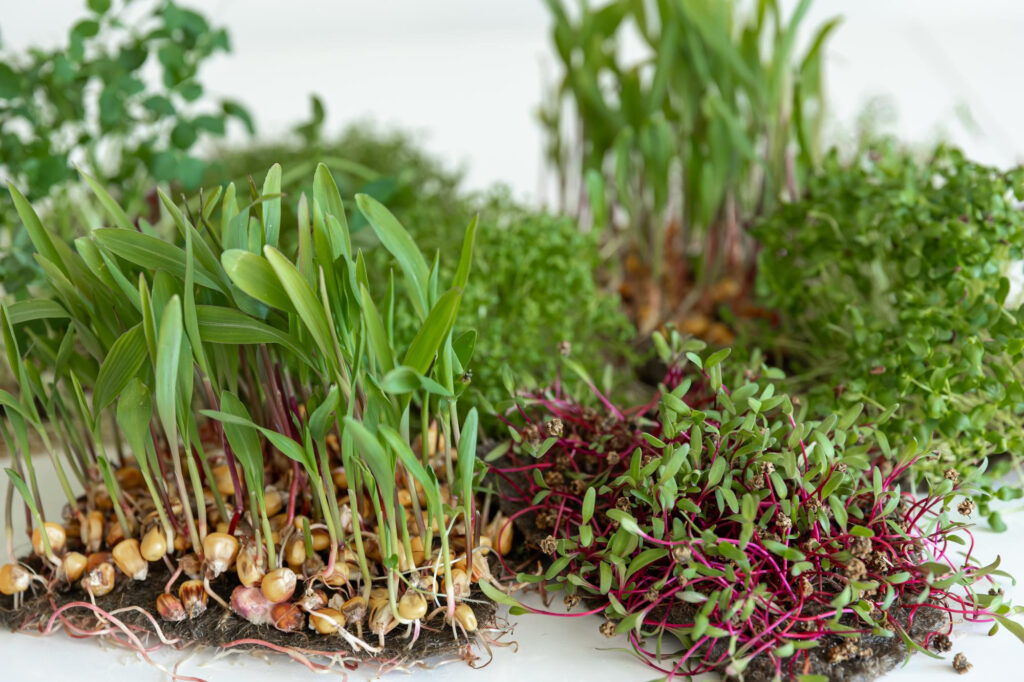
If you’re frustrated by slow growth, grow microgreens. Take some mustard seeds (Rai) or Fenugreek (Methi) from your spice box. Spread them over a thin layer of soil, mist them with water, and in 10 days, snip them with scissors. These are tiny nutrient bombs.
The Pest Problem: Stop Thinking Like a Soldier

The biggest mistake people make in an organic kitchen garden is seeing a bug and immediately wanting to “kill” it. When you spray even an organic pesticide, you often kill the “good guys” too, the spiders and ladybugs that eat the pests. At the farm, we use the “Shield and Distract” method.
- The Shield: Plant Marigolds. Their roots and smell drive away the bad bugs.
- The Distract: If you see aphids on your beans, don’t panic. Spray them with a simple mixture of water and a few drops of organic soap. It suffocates the bugs without poisoning your food.
The Neem Secret: We use Neem oil at the farm religiously. But don’t wait for a pest attack. Spray a diluted Neem solution once every two weeks as a “vaccine” for your organic kitchen garden. It keeps the leaves bitter and unappealing to invaders.
Watering: The “Finger Test”
I’ve seen more plants killed by “kindness” (overwatering) than by neglect. In the humid coastal areas of India, the top of the soil looks dry while the bottom is a swamp.
The Farmer’s Rule: Stick your index finger two inches into the soil. If you feel any moisture, do not water. Your plants need to “hunt” for water; it makes their roots stronger. When you water your organic kitchen garden, do it early in the morning. Watering at night in India’s humidity is an open invitation for fungus.
Fertilising Without Chemicals: The Kitchen Loop
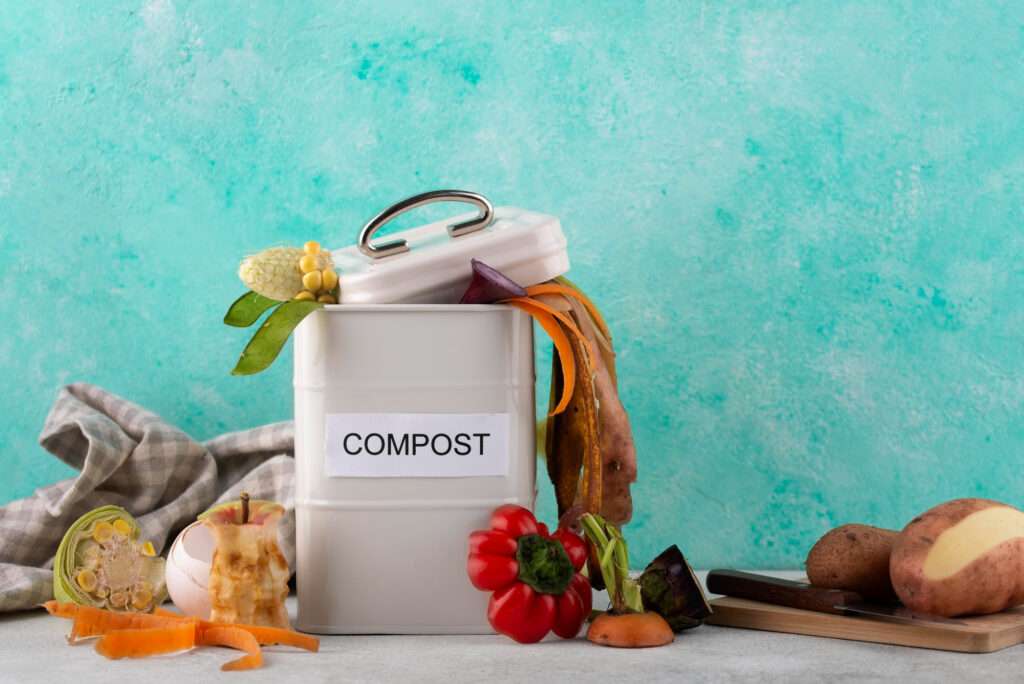
You don’t need to buy fancy bottles of liquid NPK. Your kitchen is already a fertiliser factory.
- Banana Peels: Chop them up and bury them in your pots. They are loaded with Potassium, which makes your chillies and tomatoes grow bigger.
- Rice Water: When you wash your rice for lunch, don’t throw that cloudy water away. It’s full of starches that feed the beneficial bacteria in your organic kitchen garden soil.
- Eggshells: Crush them into a powder. It provides slow-release Calcium, preventing that “bottom rot” you often see in balcony tomatoes.
The Philosophy of the “Morning Round”
Every morning at our farm, I walk the rows with a cup of tea. I’m not “working”; I’m observing. This is the most important part of maintaining an organic kitchen garden. You’ll notice the yellowing leaf that needs a bit of compost. You’ll see the first tiny flower on your chilli plant. This connection to the cycle of life is why we garden. In a world of screens and stress, those ten minutes in your organic kitchen garden are a form of meditation.
Your 2026 Action Plan for Organic Kitchen Garden
If you’re reading this and feeling overwhelmed, here is your plan for this weekend:
- Don’t buy 10 plants. Buy two. One herb and one leafy green.
- Get the right containers. Ensure they have big drainage holes.
- Use the “Farmer’s Mix” for your soil.
- Put them in the sun. No sun, no food. It’s that simple.
Building an organic kitchen garden is about trial and error. Some plants will die; it happens to us on the farm, too. But the first time you make a kadhi with curry leaves you grew yourself, or a salad with your own microgreens, you’ll realise that store-bought produce just doesn’t compare.
What is preventing you from starting your organic kitchen garden today? Is it the lack of space, insufficient sunlight, or not knowing where to obtain seeds? Leave a comment below, and I’ll assist you in finding solutions.



Pingback: A Beginner's Guide to Making Compost at Home | Organic Kokan